BEST GRAMPIANS PHOTO SPOTS
The Grampians National Park is about a three-hour drive west of Melbourne and delivers some of Victoria’s most dramatic scenery. Ancient sandstone mountains rise in sharp, diagonal peaks above wide open plains, creating striking contrast and epic views. Halls Gap sits right in the heart of the park, with plenty of accommodation options and easy access to most major sights. I’ve stayed at the Kookaburra Motor Lodge — simple, great value, centrally located, and run by friendly owners.
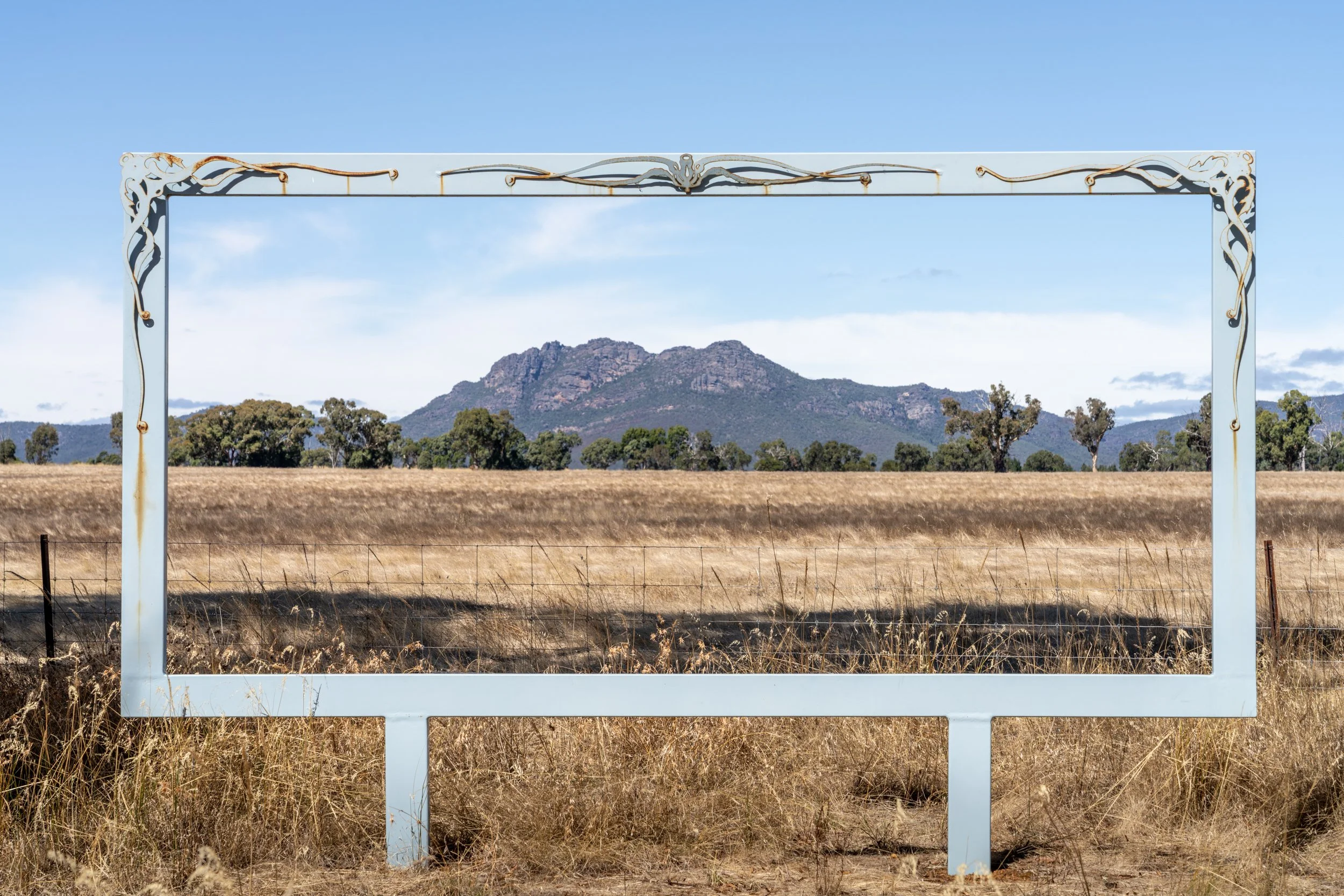
For photographers, the Grampians packs huge variety into a compact area. There are excellent hikes, lookout points with strong foreground interest, sweeping valley views, spring wildflowers, waterfalls (MacKenzie Falls being the standout), plus opportunities for adventure photography with rock climbing and long walks. It’s this diversity that makes the Grampians one of my favourite photography destinations in Victoria. On the way from Melbourne, nearby country towns are worth a stop — Ararat’s One Tree Hill Lookout and the nearby Silo Art Trail are easy additions to the trip.
All images are available for print purchase, or licensing - please get in touch to start a conversation.
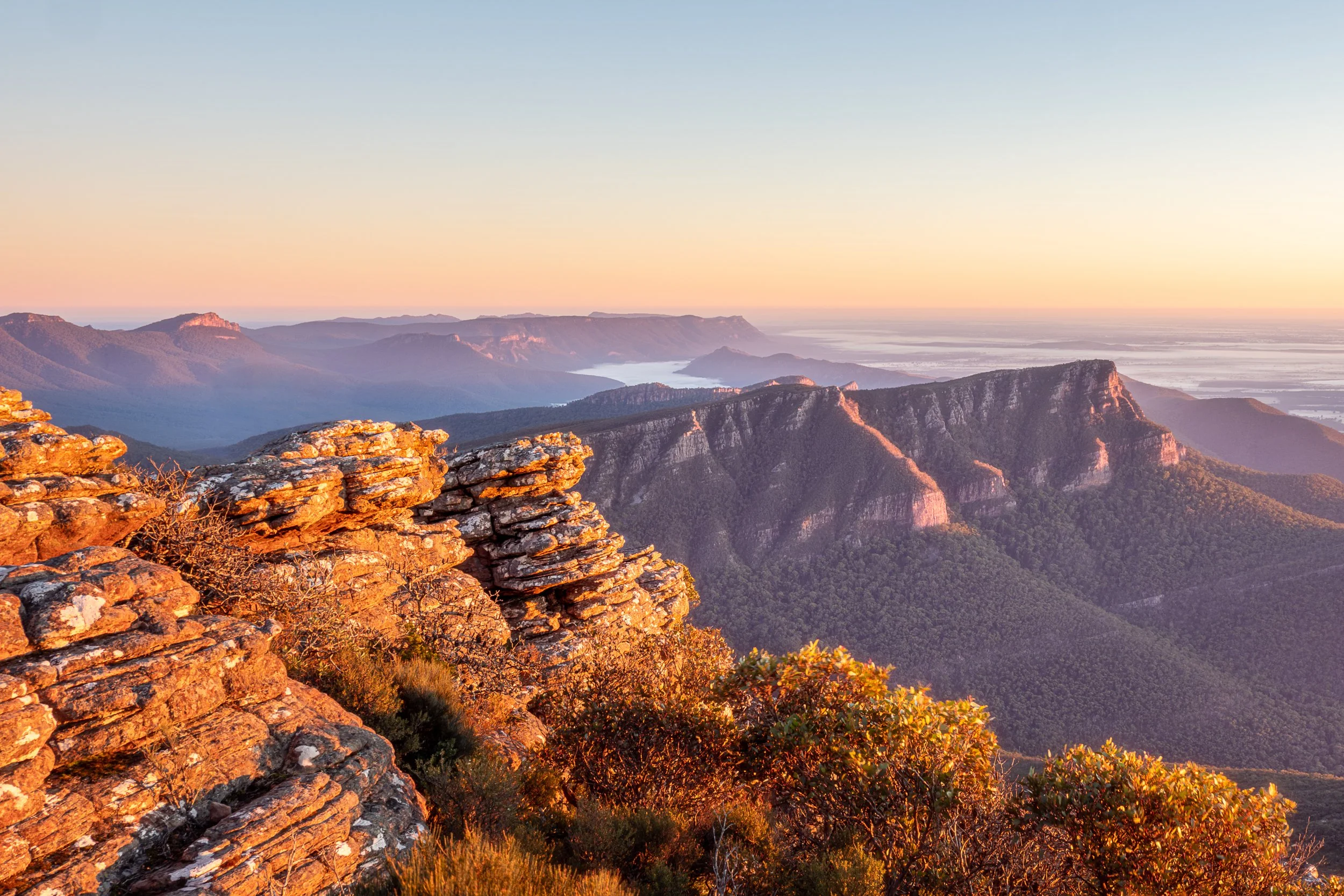
16/05/20, Mount William. Olympus OMD EM1-Mkii + 12-100mm F4 Pro Lens. 16mm, ISO 200, f/8, 1/15 sec.
(B) Venus Baths / Wonderland Loop
I visited the Venus Baths once on a cold day just before winter, when the water flow was minimal. I’m not sure how dramatic it gets after heavy rain, but in summer it’s easy to imagine families and kids swimming — the pools are small and shallow. I stopped here mainly to kill time before sunset. The baths are about a 750 m (11-minute) flat, well-marked walk from the Halls Gap Botanical Gardens, where I parked and walked through. The spot itself is pleasant rather than spectacular, but good fun for photography, especially playing with water flow and an ND filter.
The track to Venus Baths also marks the start of the Wonderland Loop Hike, a 10 km, 4–5 hour return walk to the Pinnacle Lookout that passes some of the area’s best features. I haven’t done the full loop, instead driving to the Wonderland car park and hiking from there — about a 2-hour return covering the highlights minus the baths. There’s an even shorter option from the Sundial car park (around 1.5 hours), skipping the Grand Canyon. All routes finish at the Pinnacle Lookout.
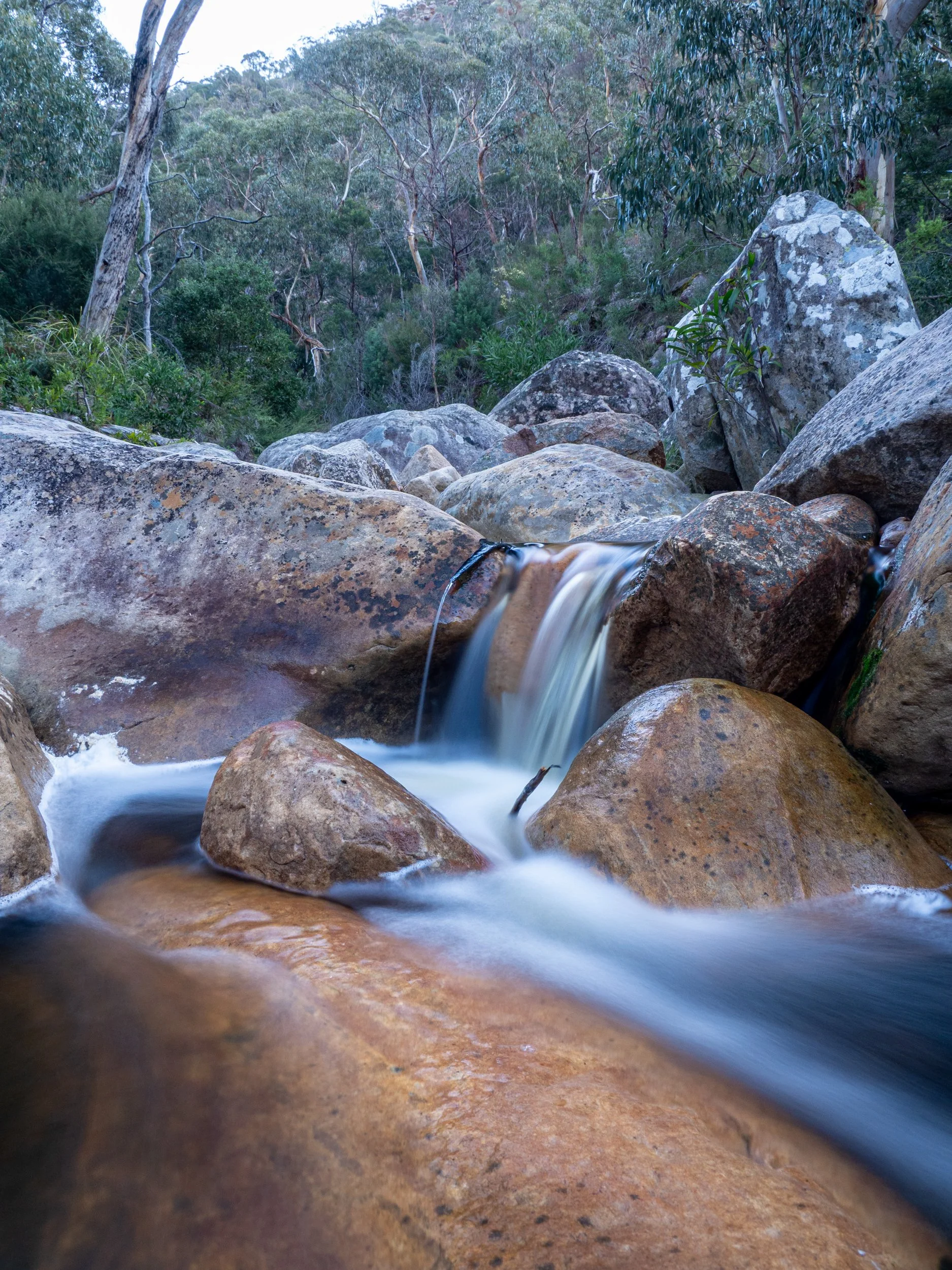
15/05/20, Venus Baths. Olympus OMD EM1-Mkii + 12-100mm F4 Pro Lens + 10 stop ND. 12mm, ISO 200, f/9, 6 sec.
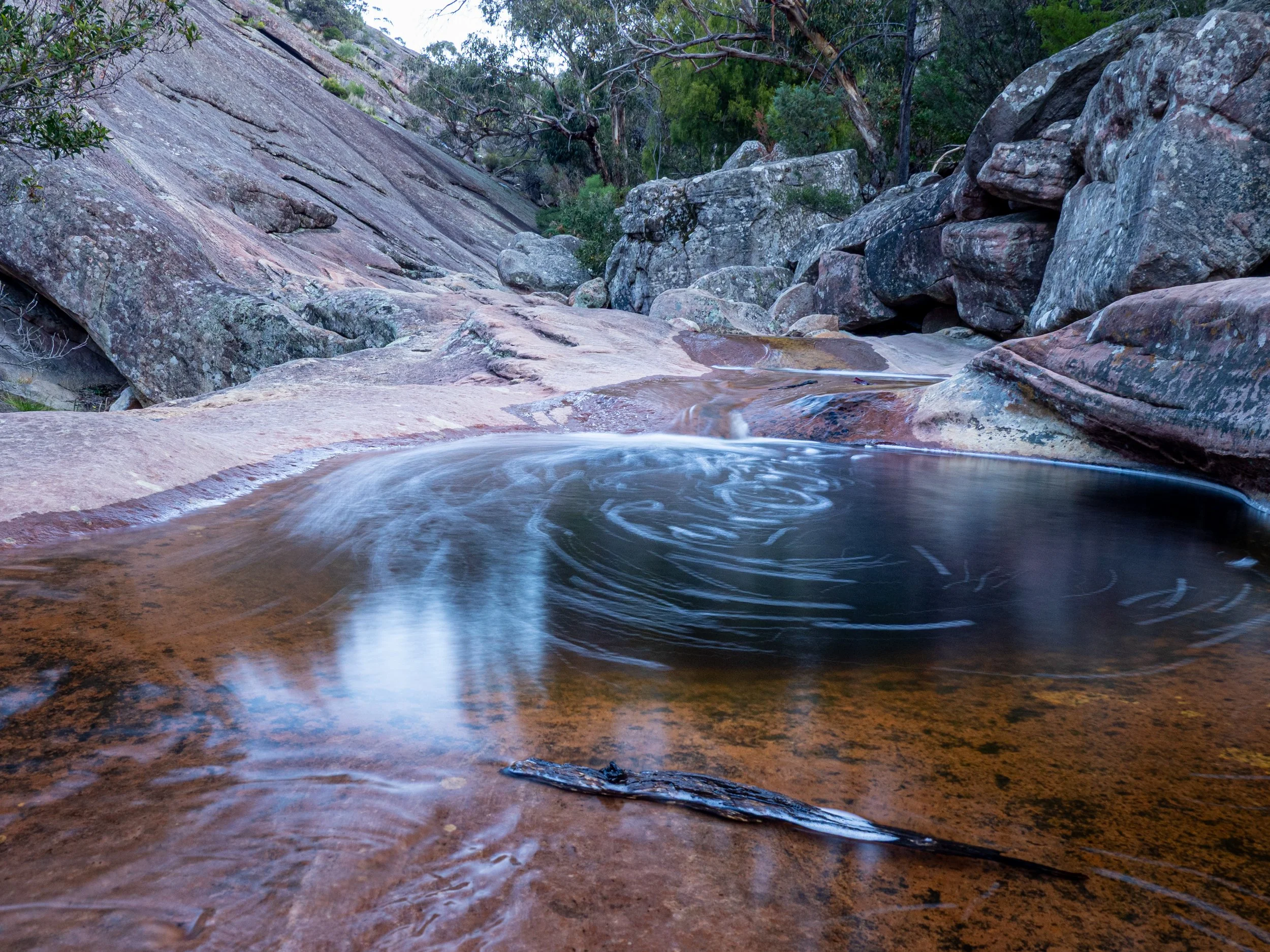
15/05/20, Venus Baths. Olympus OMD EM1-Mkii + 12-100mm F4 Pro Lens + 10 stop ND. 12mm, ISO 200, f/8, 5 sec.
(C) The Pinnacles & Wonderland Area
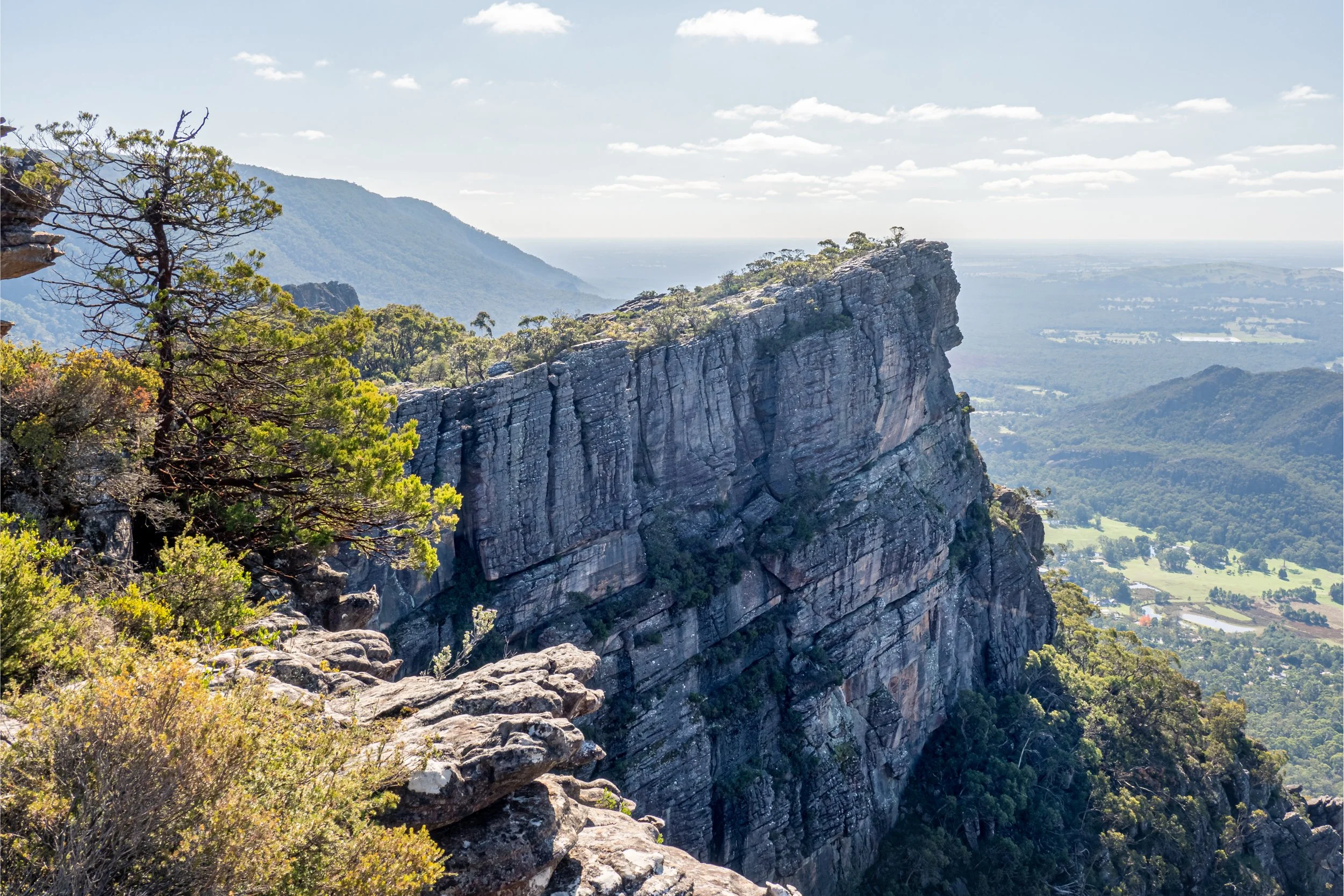
15/05/20, Pinnacle Lookout. Olympus OMD EM1-Mkii + 12-100mm F4 Pro Lens. 18mm, ISO 200, f/10, 1/400 sec.
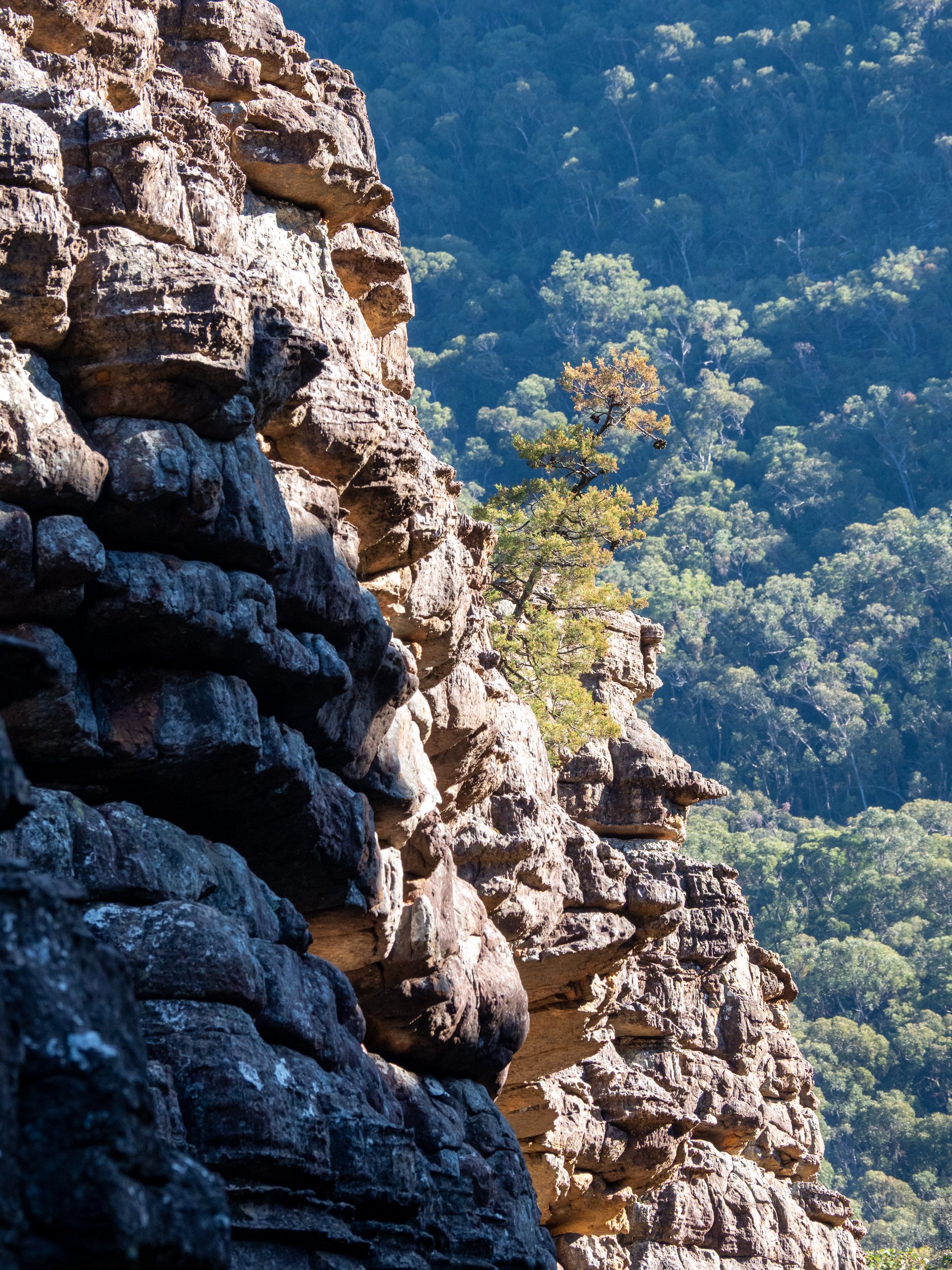
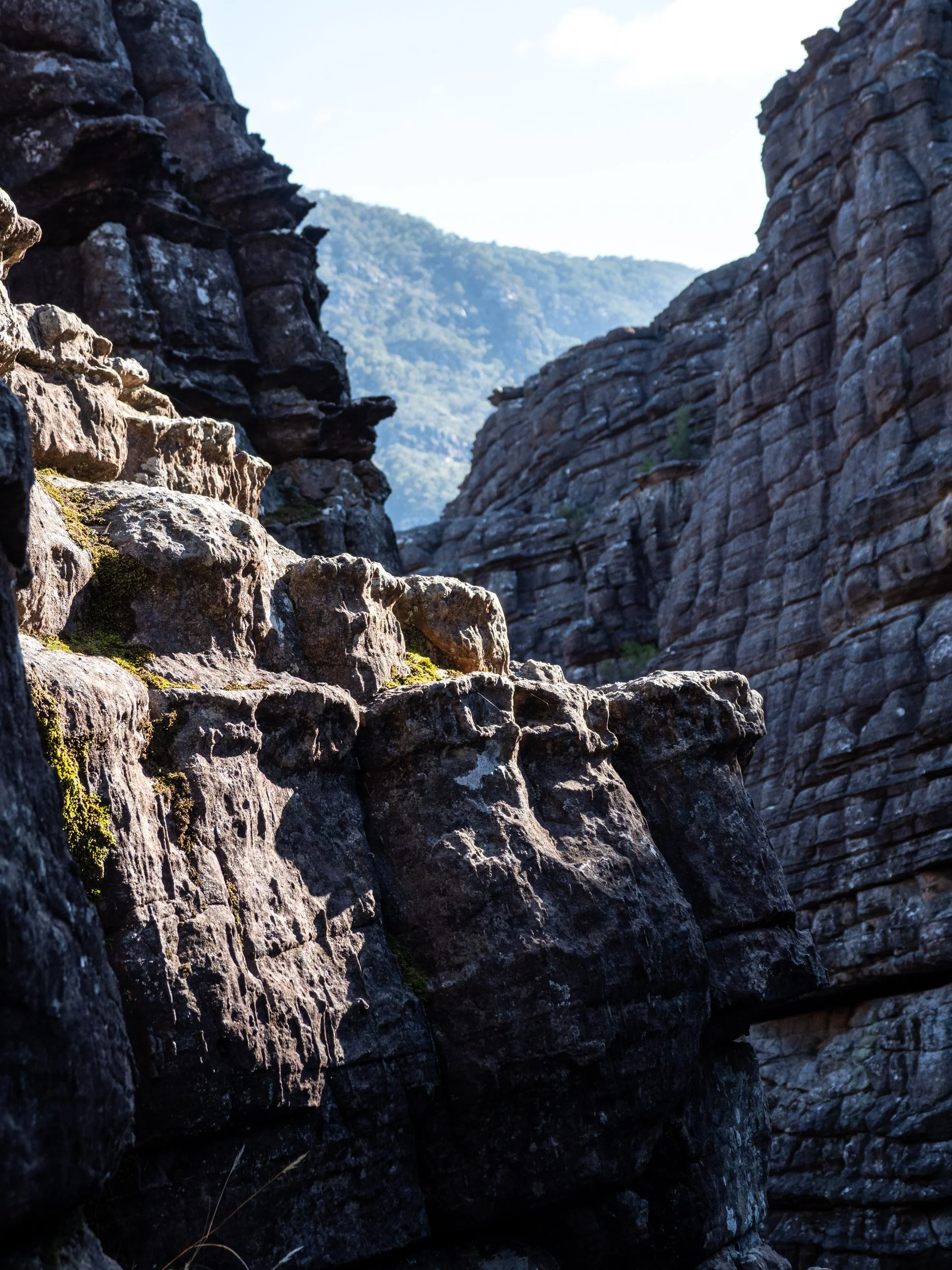
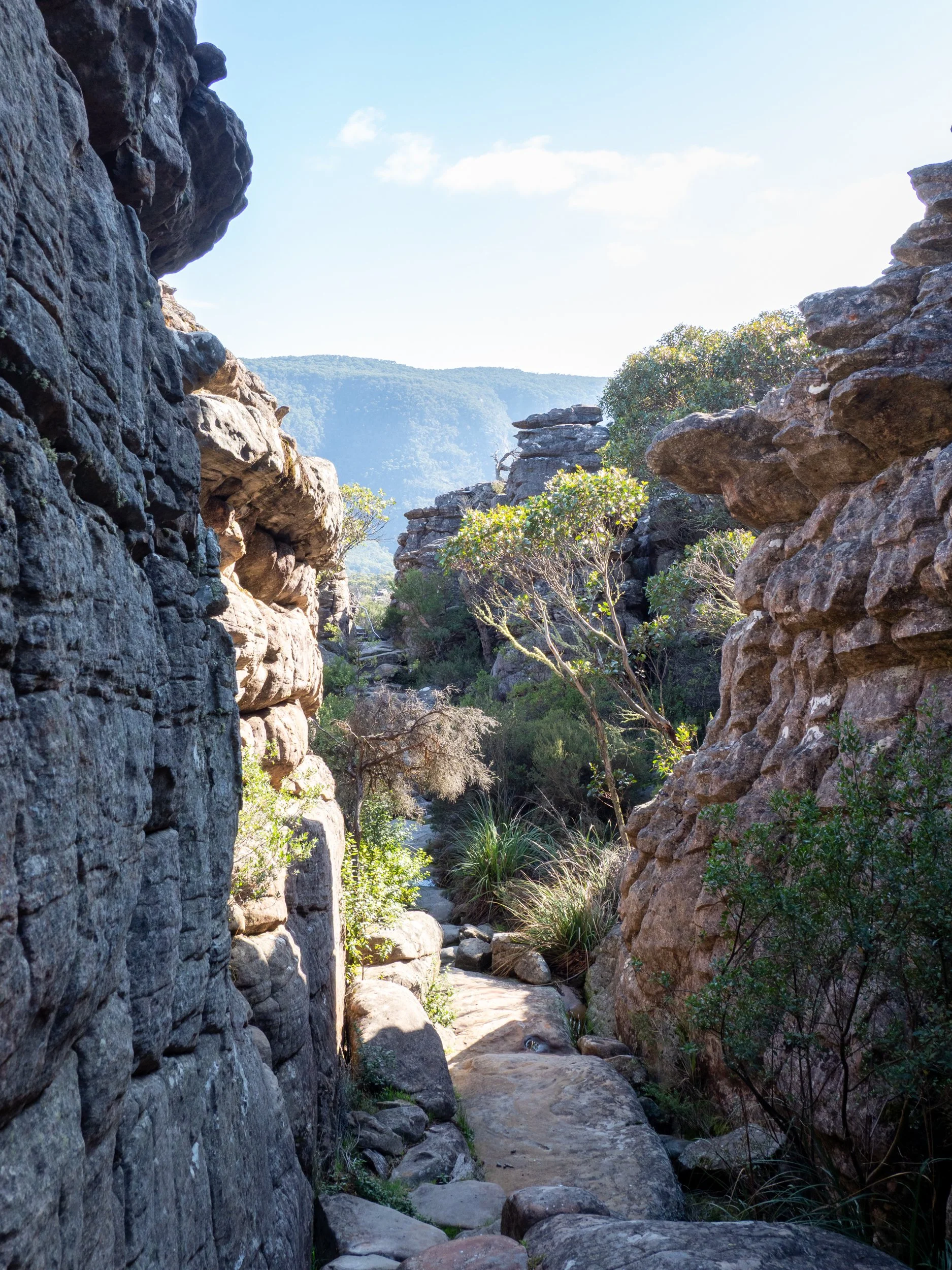
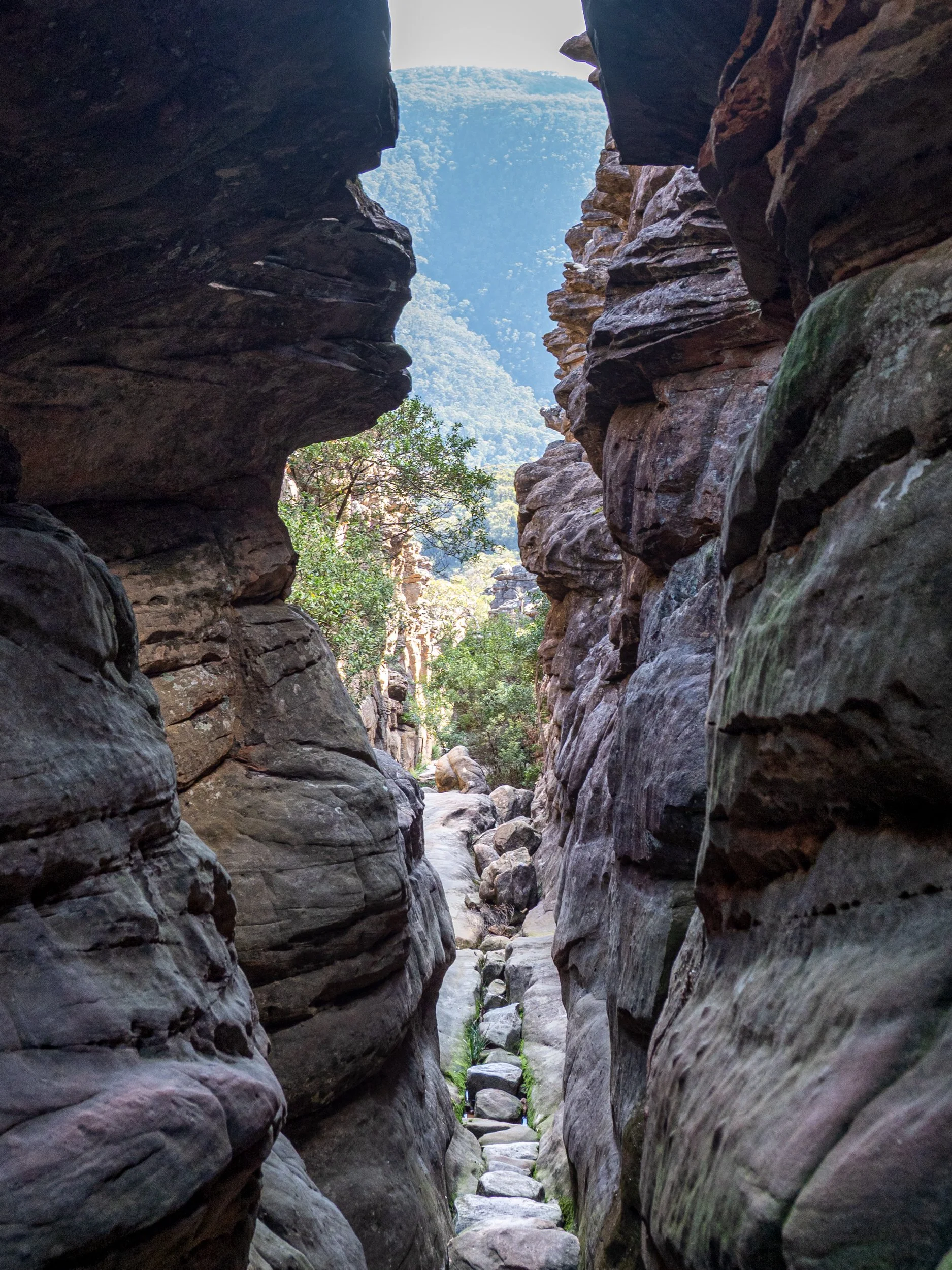
The Pinnacle walk is one of my favourites at the Grampians. I've done this hike from both the Wonderland car park and Sun Dial car park. The Wonderland hike is longer and harder, but I think it's far more rewarding as it takes in a number of really cool rock formations, and there's a big variety of landscape to see. From this spot you will first see a great little stream with smooth weathered rocks, with some great little features for a compact composition. ND & polarising filters plus slow shutter speeds are your friend here!
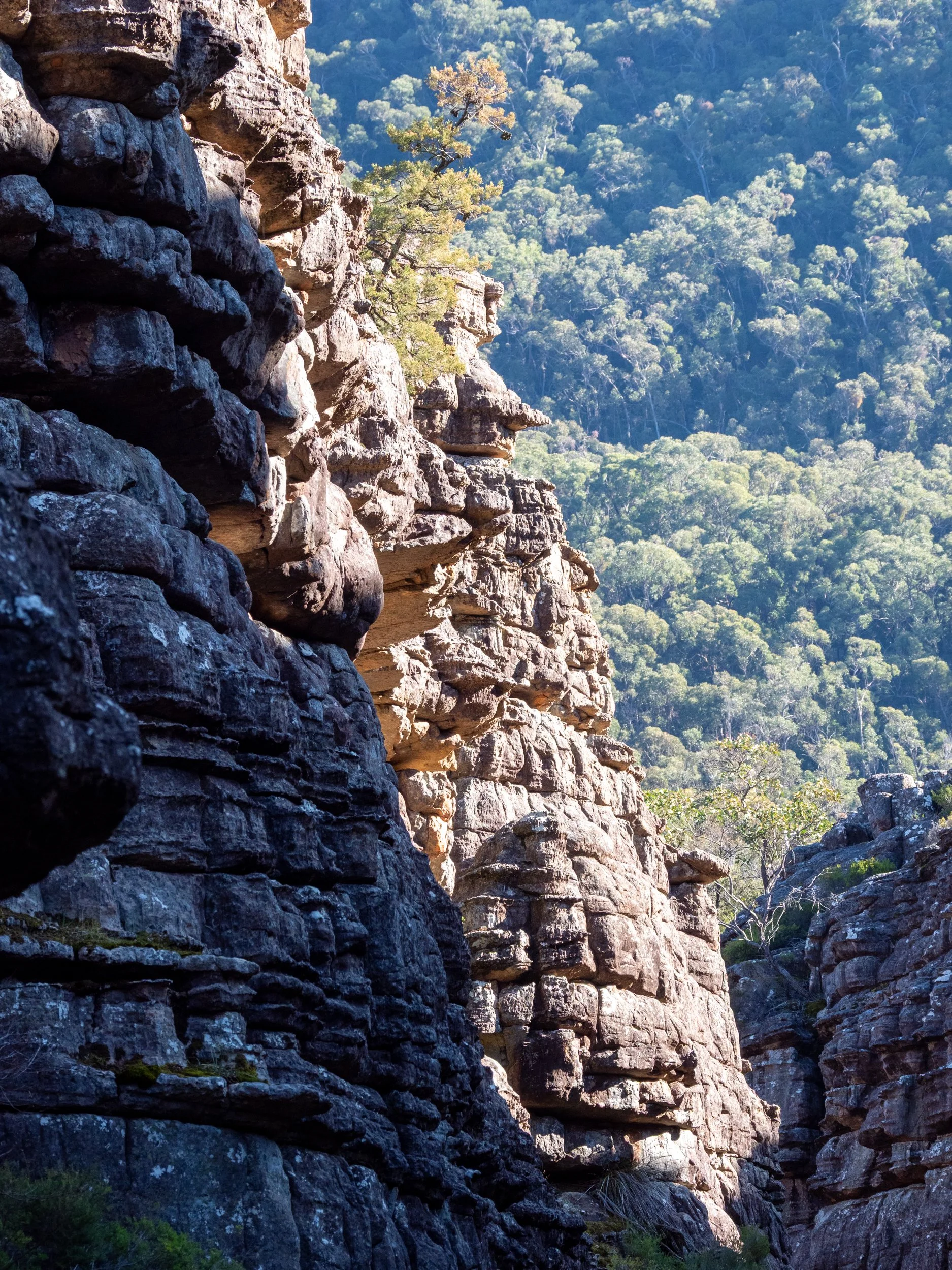
The next feature is the Grand Canyon (right) a long passage through a cleft between sandstone cliffs. There is a small stream that runs through that presents some great opportunities for images, but I really recommend a polarising filter. I was here in the middle of the day and missed some great shots as I had left mine in the car, and really needed to cut out reflections on the surface of the water.
Between the Grand Canyon and Silent Street you'll be walking up a relatively long hill, and then traverse an open rocky expanse.
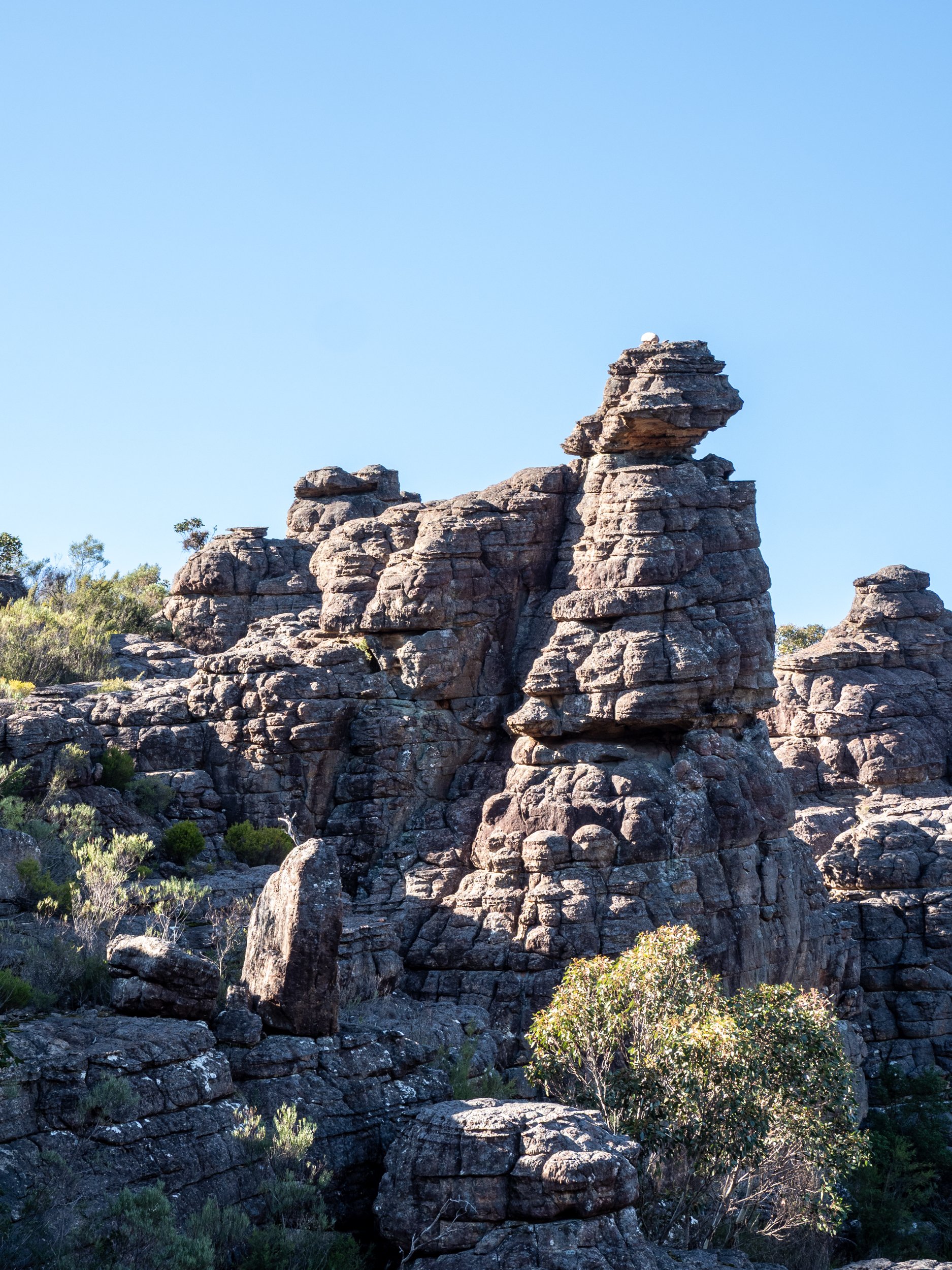
Next up is Silent Street (bottom middle) which is a really long, quite thin cleft in the rocks that can seem still and serene as you're cut off from the world above. Here you can play with longer focal lengths to compress the foreground, mid ground and background, and play with depth of field to give a closed in feel.
After you climb out of the Silent Street there's another rock field to walk through with heaps of rocky composition opportunities and you'll then end at the Pinnacle Lookout (left bottom). This lookout looks out over Halls Gap and the Western Plains leading to Melbourne and is a great reward after a long hike. Make sure you bring some snacks and water, have a rest then search out some great foreground features to lead out to the view beyond.
My favourite view is not from the lookout. The view is great, but it's a little flat and uninteresting for an image, unless you get up early or late and have some amazing light. I prefer to walk around 100m to the left where you can find some stunning scenic images of one of the cliffs beyond, with lots of interesting foreground elements. See the image at the top of this section for an idea.
I've been here around the middle of the day on most of my visits as I've preferred other lookouts and locations for my morning and evening shots, but I plan to get up early one day to get up here (with a head torch) for sunrise, which would be extra stunning, as the sun will rise over the plains and the cliffs will be hit with the first light of the morning!
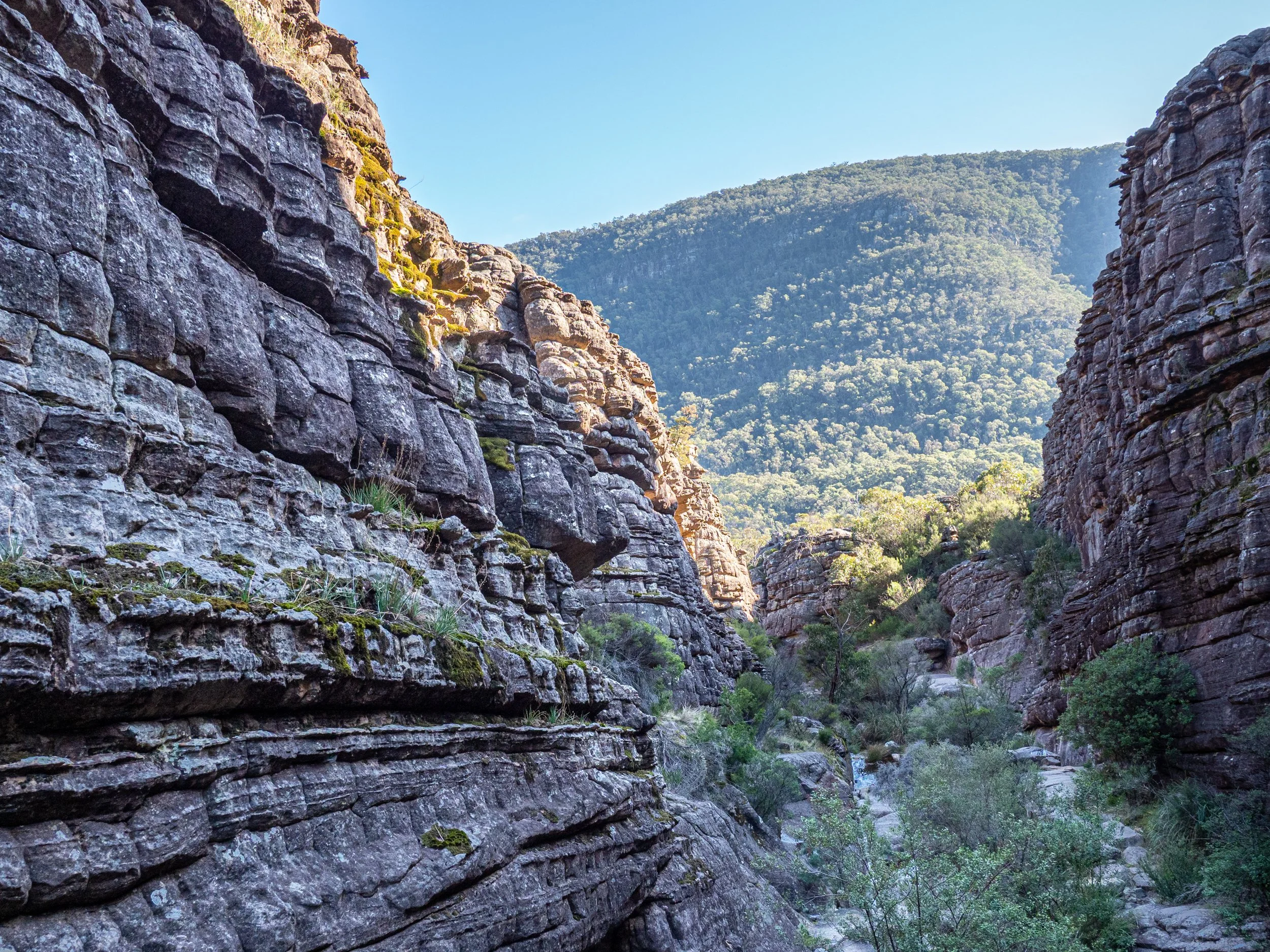
15/05/20, Grand Canyon. Olympus OMD EM1-Mkii + 12-100mm F4 Pro Lens. 12mm, ISO 200, f/6.7, 1/60 sec.
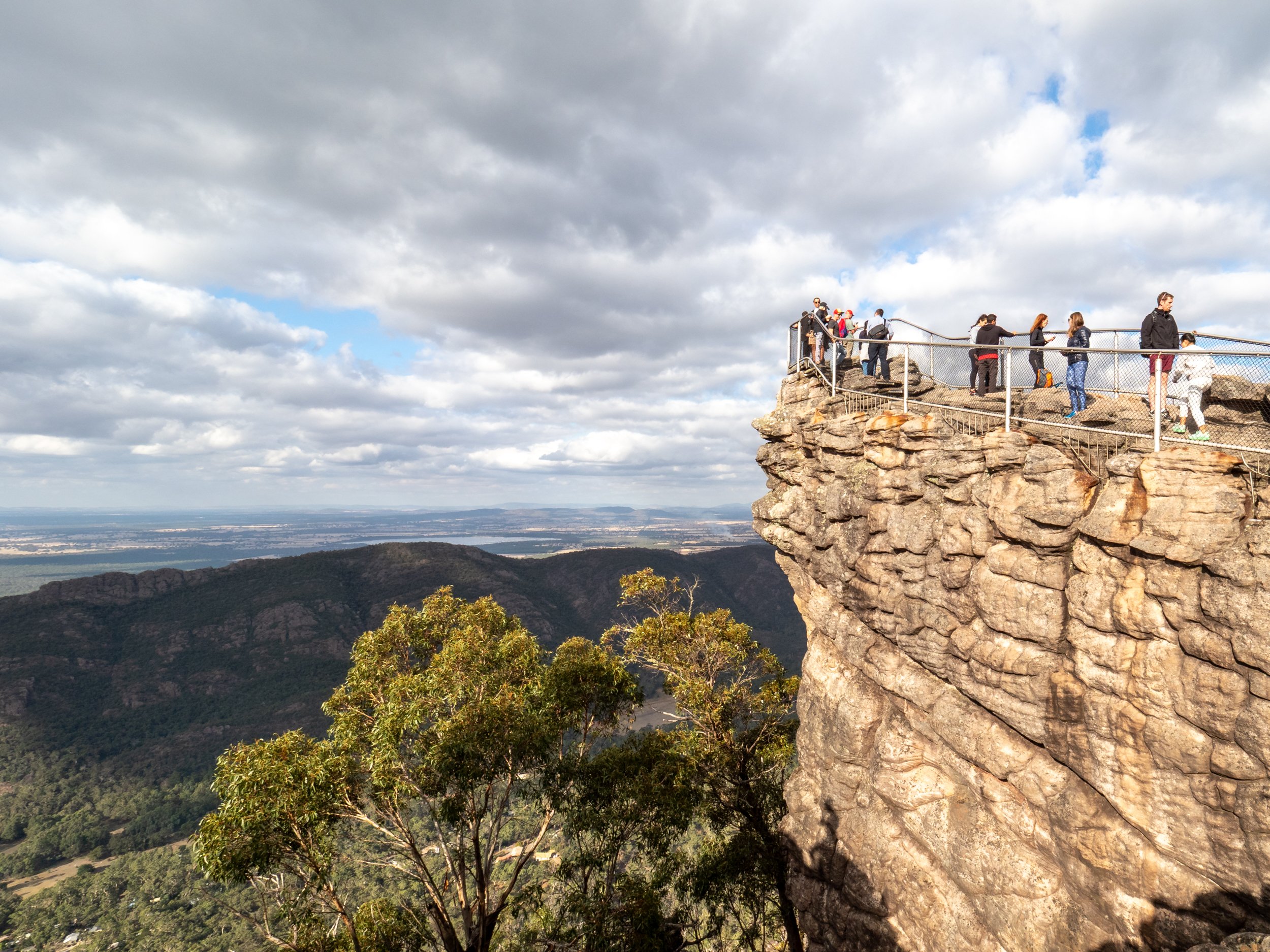
14/04/17, Pinnacle Lookout. Olympus OMD EM1-Mkii + 7-14mm F2.8 Pro Lens. 7mm, ISO 200, f/10, 1/200 sec.
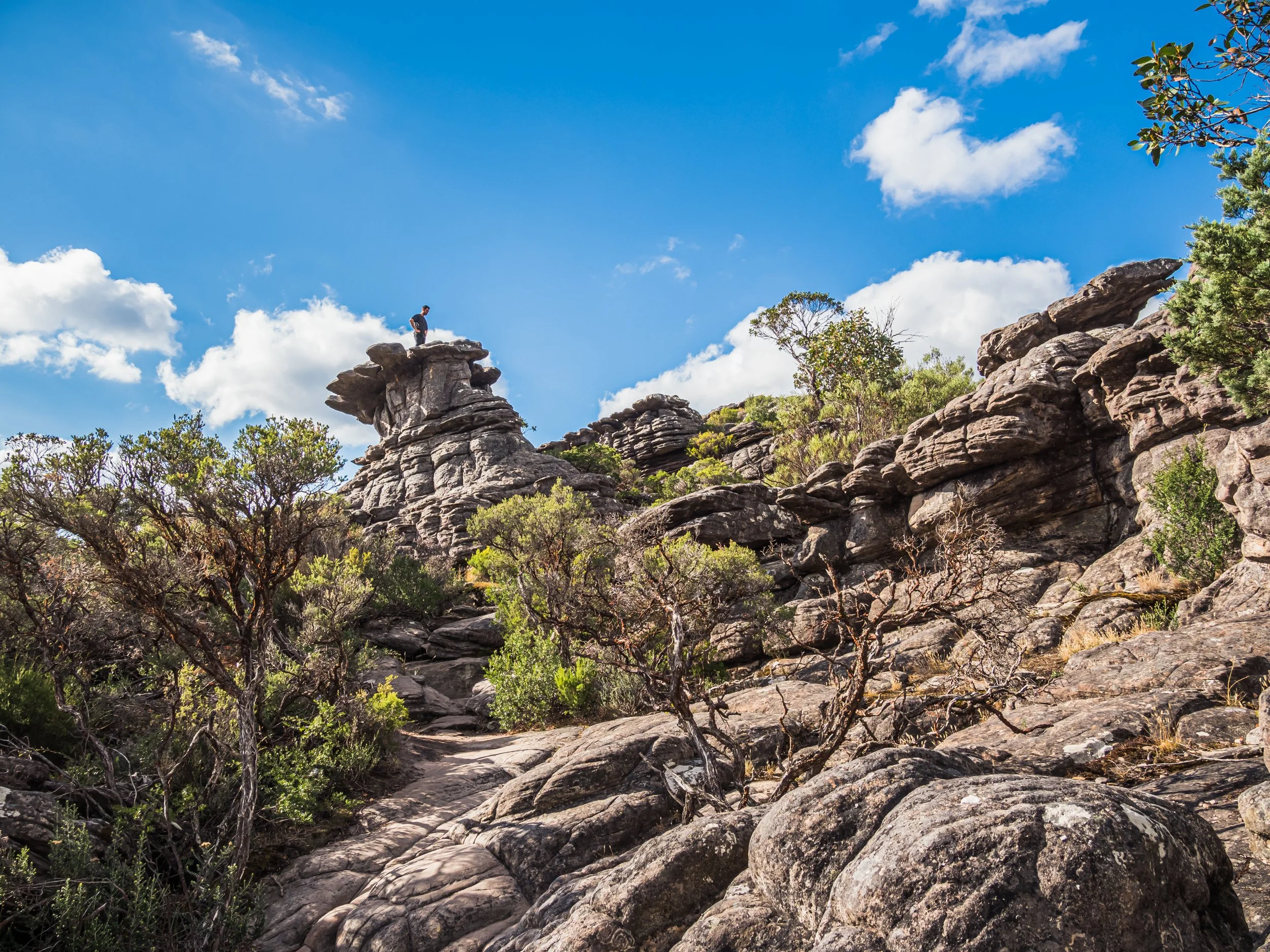
14/04/17, Near Pinnacle Lookout. Olympus OMD EM1-Mkii + 12-100mm F4 Pro Lens. 12mm, ISO 200, f/8, 1/160 sec.
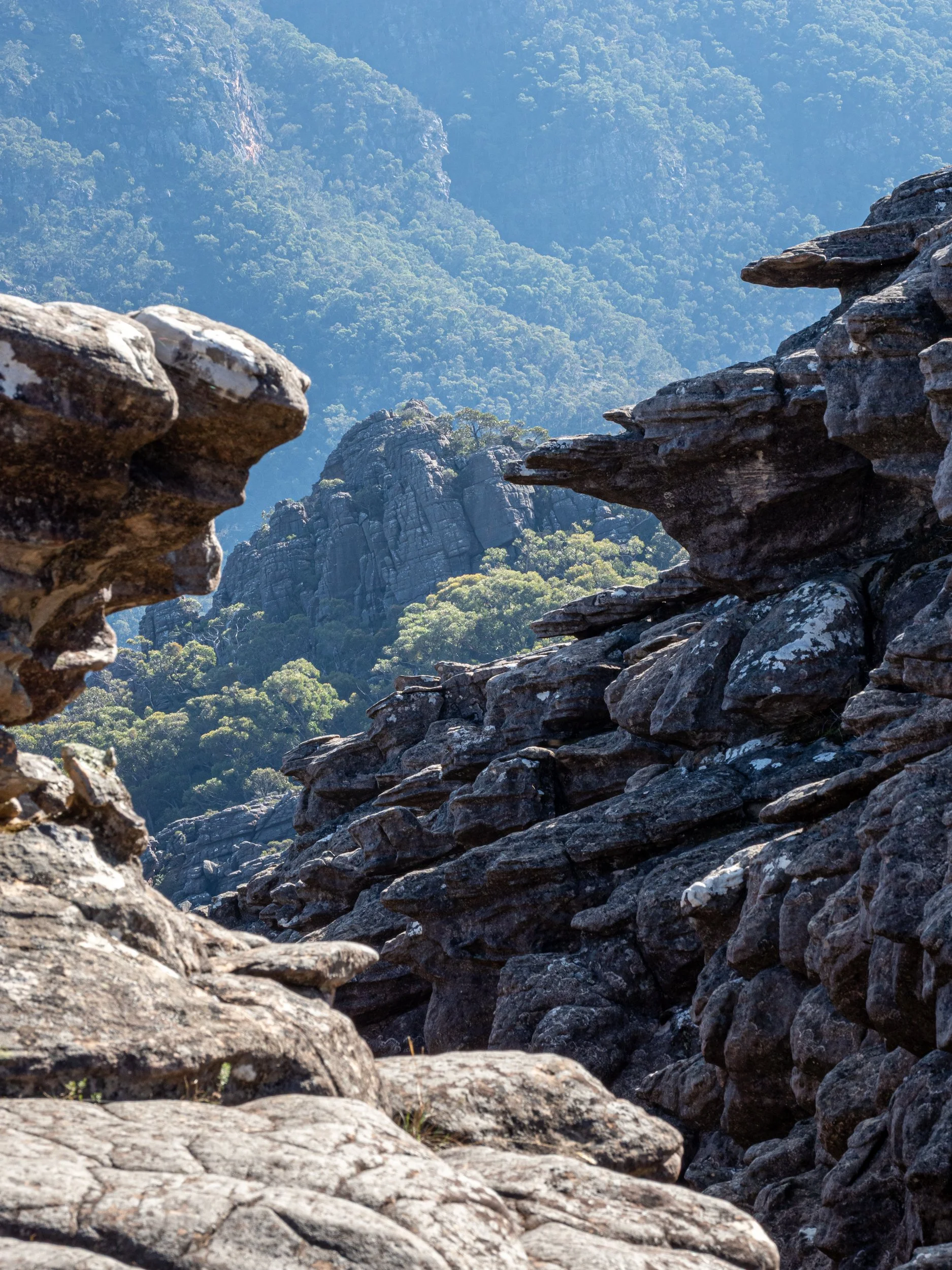
(D) Reeds Lookout / The Balconies
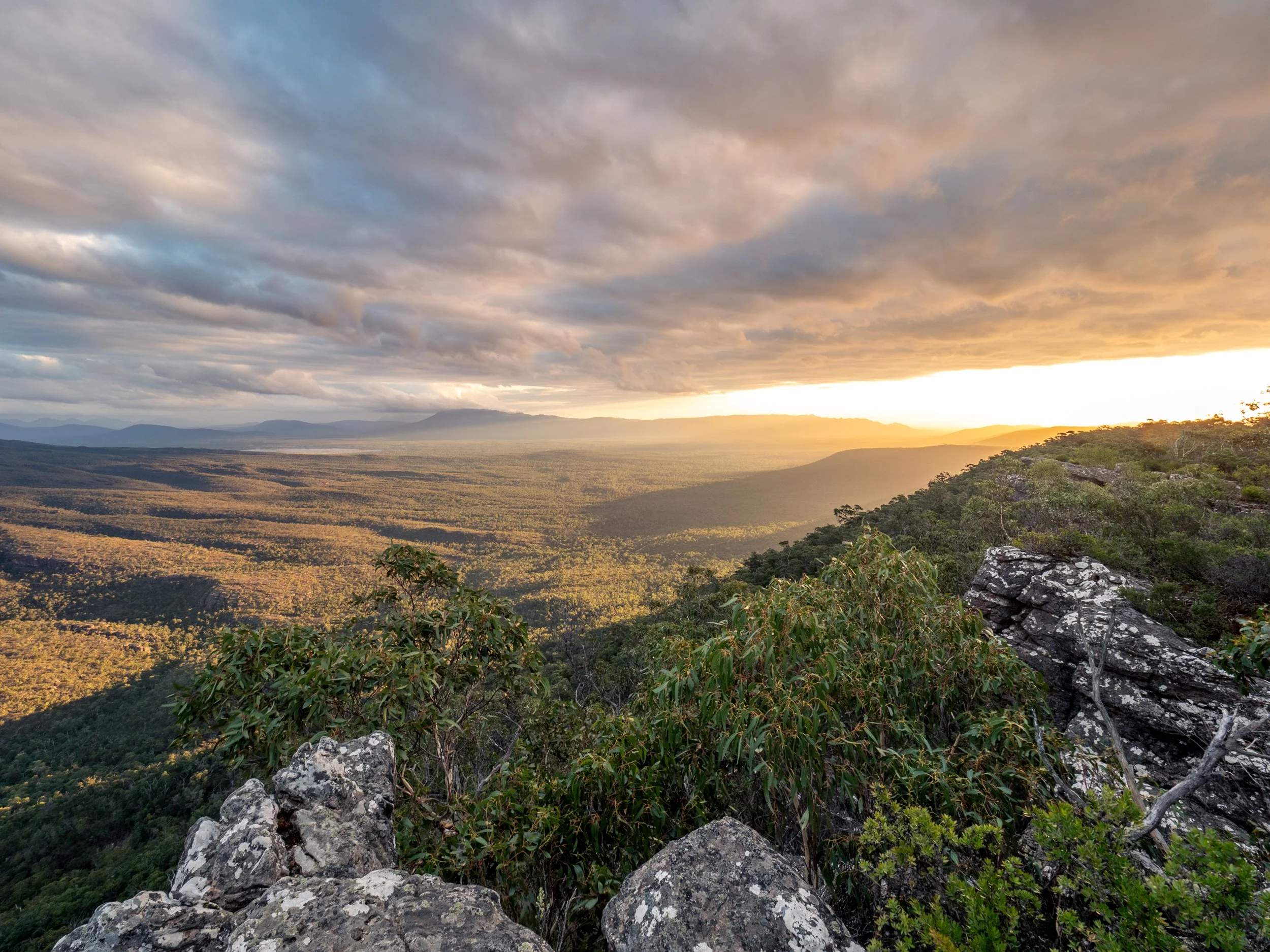
Reeds Lookout and The Balconies are standout spots for golden hour and sunset. Park at Reeds Lookout — it’s a quick two-minute walk to a sweeping view over the ranges, which I think works best for sunset. The Balconies are a further 10–15 minute walk in the opposite direction.
There’s no shortage of rocks to set up on, but my favourite compositions come from walking a little past the main path to the rocks below, where strong leading lines pull the eye toward the setting sun. As the light drops, look for smaller details and side- or back-lit textures in the rocks. A soft grad ND helps balance exposure, but bracketing works just as well. Stick around 10–15 minutes after sunset — on the right evening you’ll be rewarded with soft pink tones. The two images below were shot about 25 minutes apart on consecutive days.
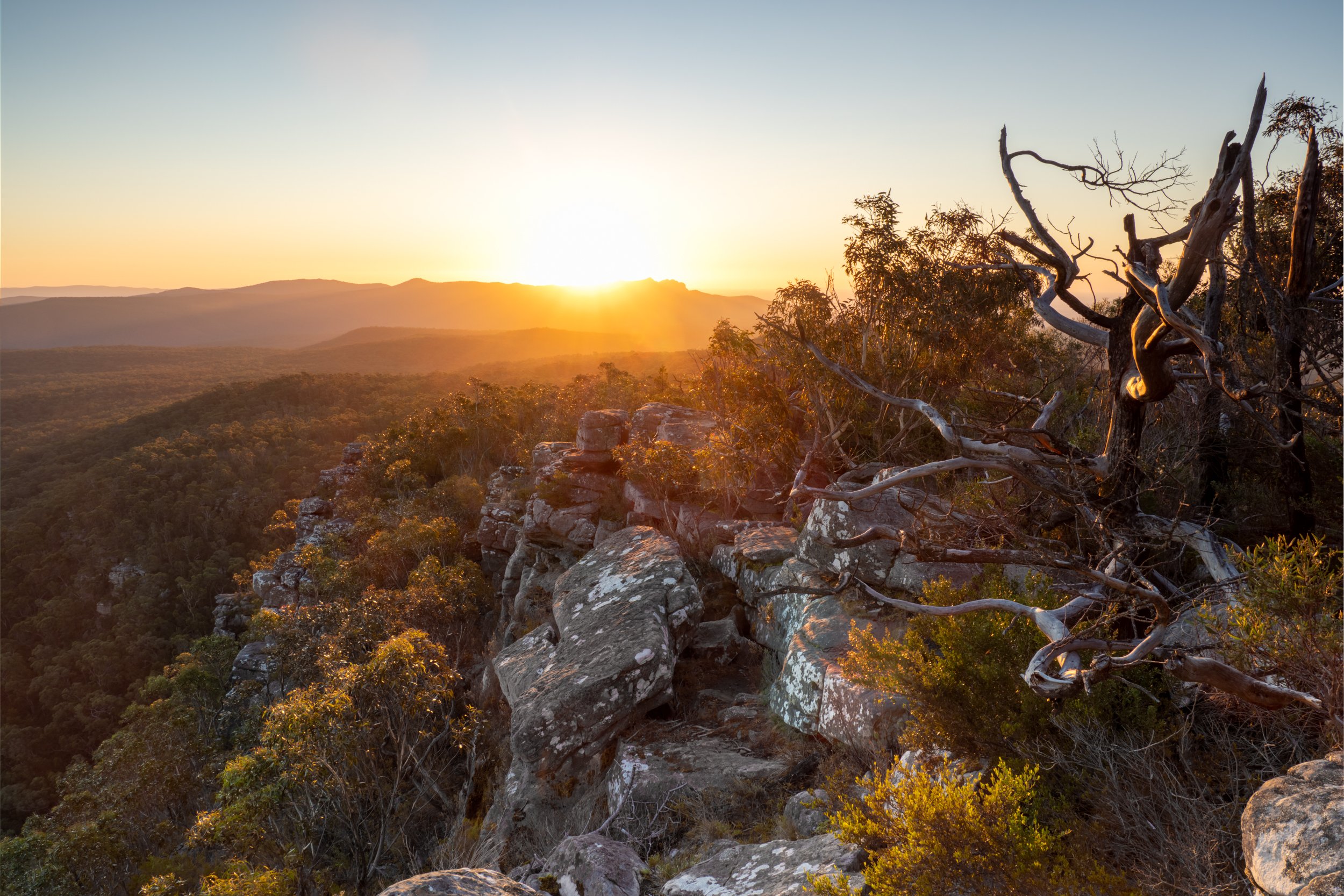
15/05/20, Reeds Lookout. Olympus OMD EM1-Mkii + 12-100mm F4 Pro Lens + Soft Grad ND. 12mm, ISO 200, f/8, 1/20 sec.
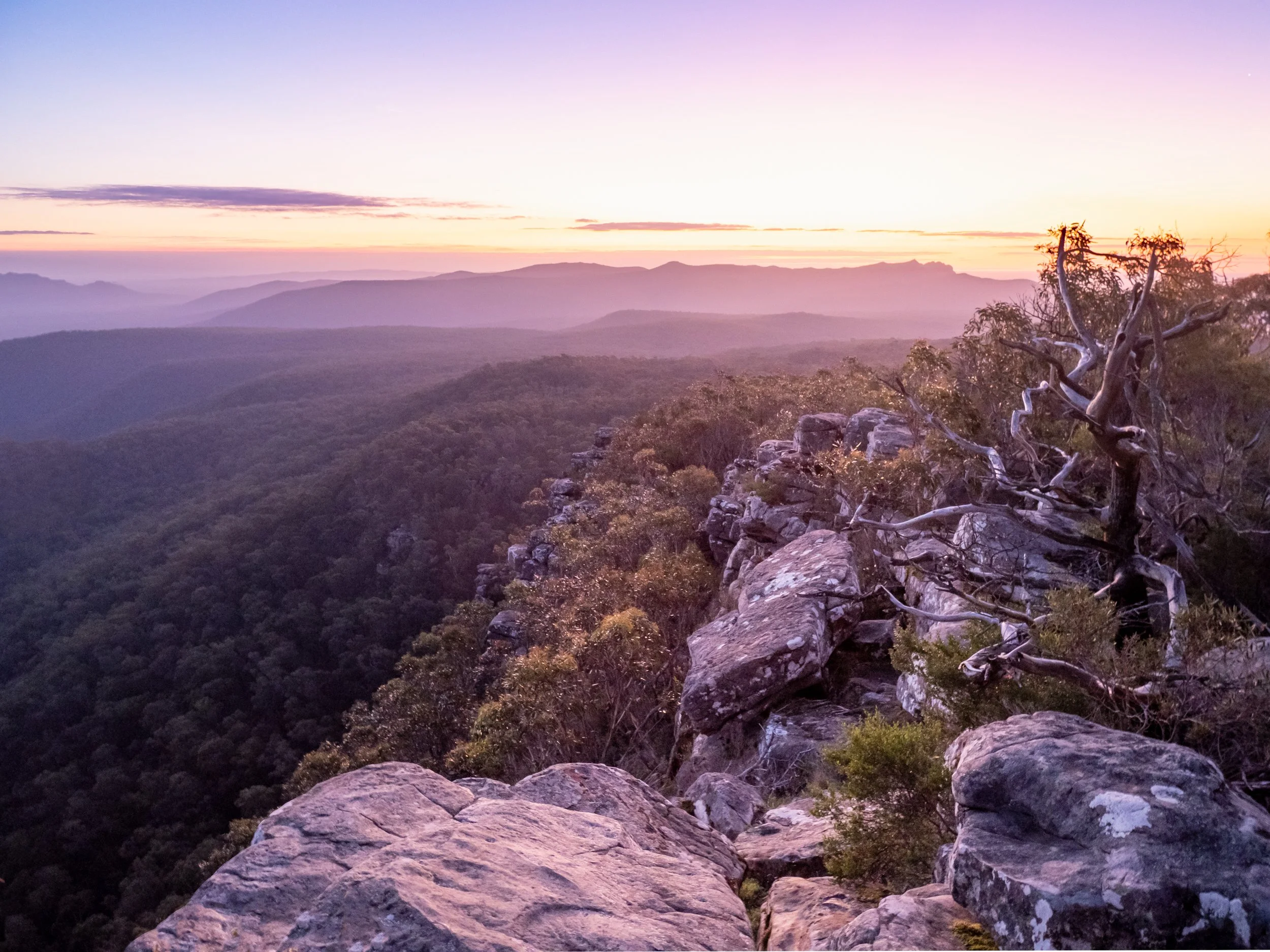
14/05/20, Reeds Lookout. Olympus OMD EM1-Mkii + 12-100mm F4 Pro Lens, HDR. 12mm, ISO 1000, f/4.5, 1/15 sec.
Between Reeds Lookout and the Balconies, you will walk through some great rock fields with lots of interesting nooks and crannies to photograph. If you're there just after sunrise or just before sunset you can get some great side lighting that make for an amazing scene. One of my favourite shots is below on the right. I decided to be a little adventurous and left the path to explore the cliffs between the two lookouts. This boulder was in the perfect position, the sun was on it's way down and gave me some beautiful side light that created a little path directly to the rock, and then the valleys beyond. The image on the left was taken only a few steps from the path, even though it's not spectacular, I was drawn to the different coloured lichen and moss against the grey stone, leading through the image.
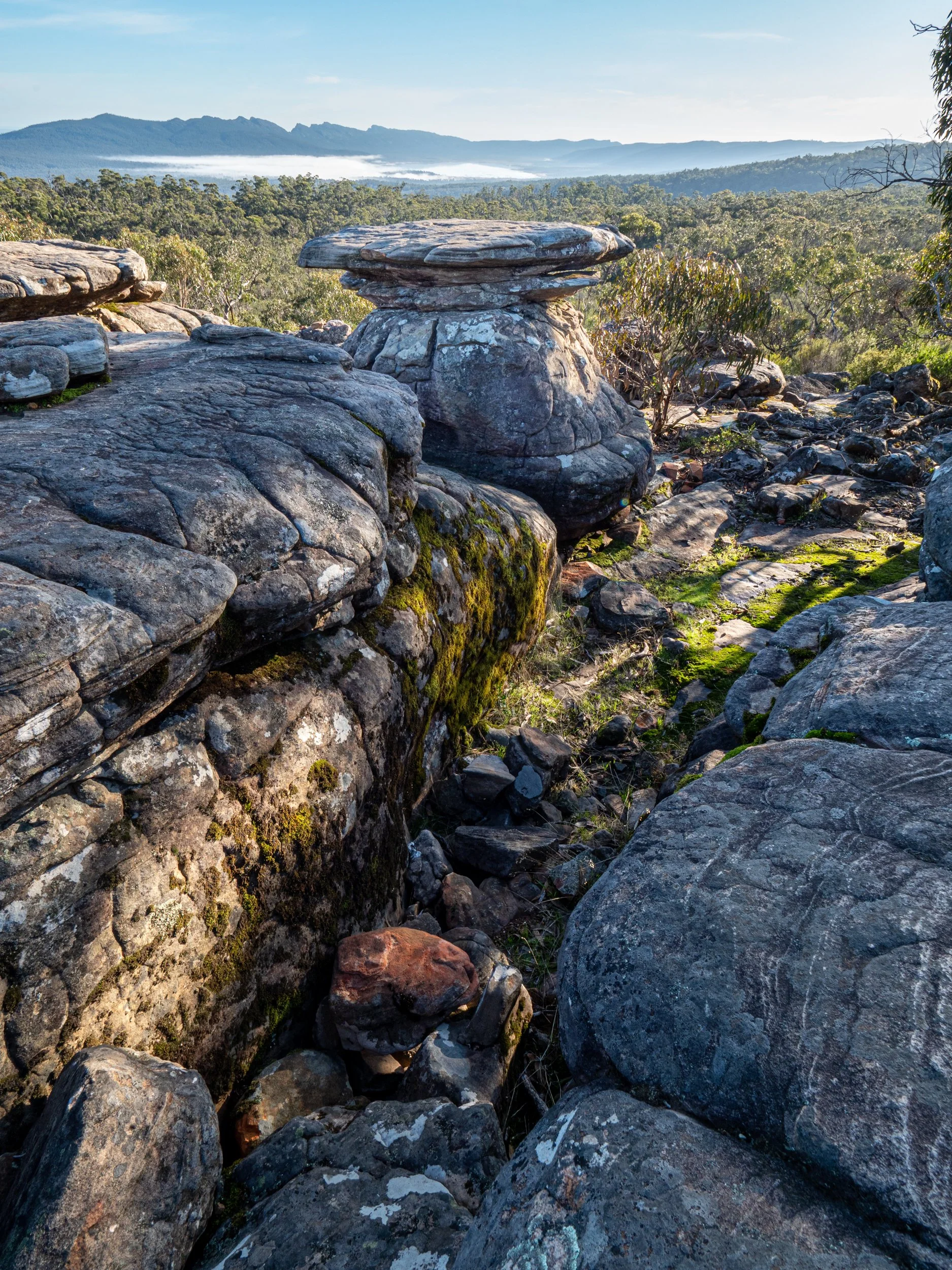
15/05/20, Near Reeds Lookout. Olympus OMD EM1-Mkii + 12-100mm F4 Pro Lens. 15mm, ISO 200, f/6.3, 1/60 sec.
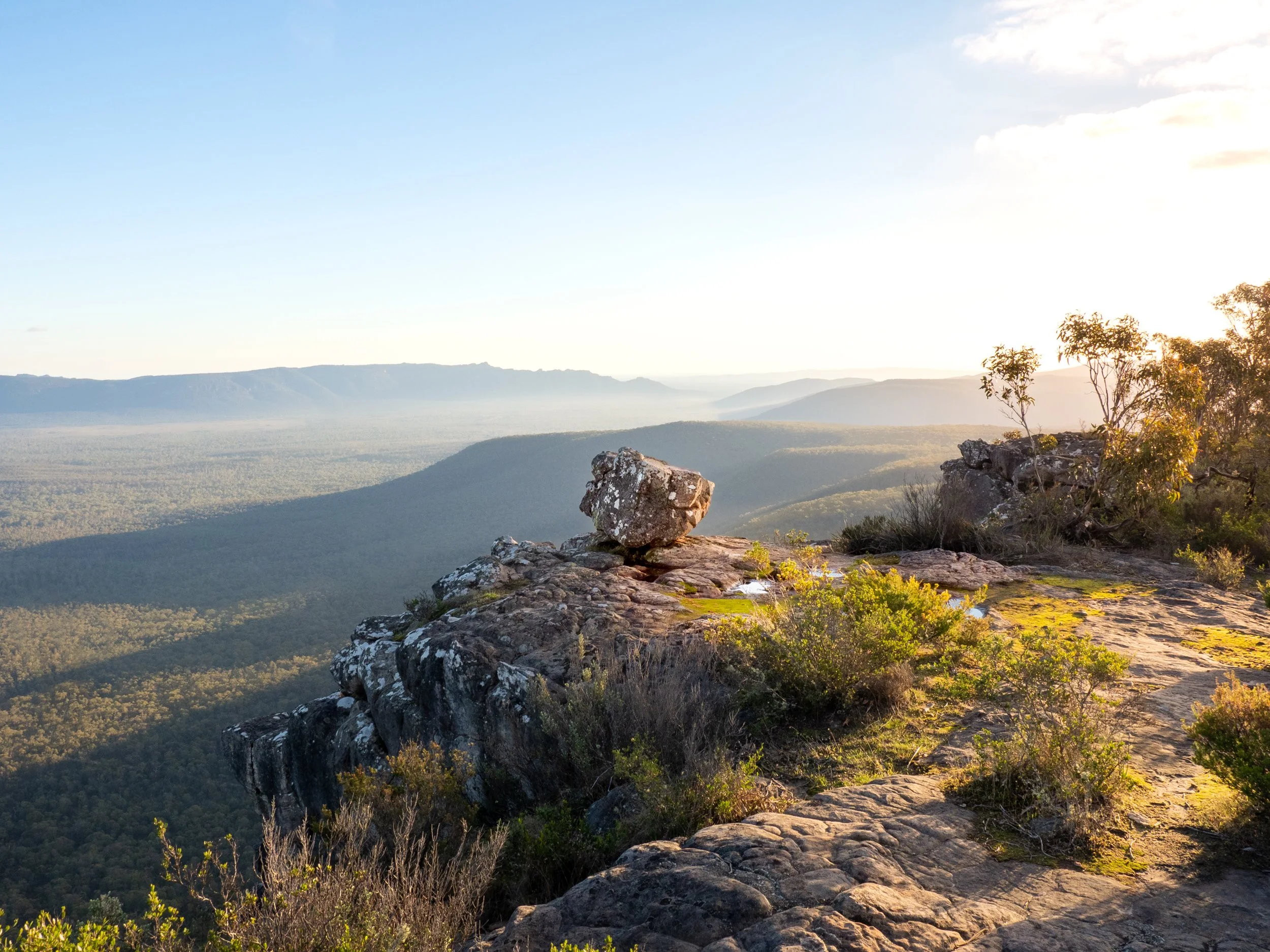
15/05/20, Near Reeds Lookout. Olympus OMD EM1-Mkii + 12-100mm F4 Pro Lens. 12mm, ISO 200, f/9.5, 1/90 sec.
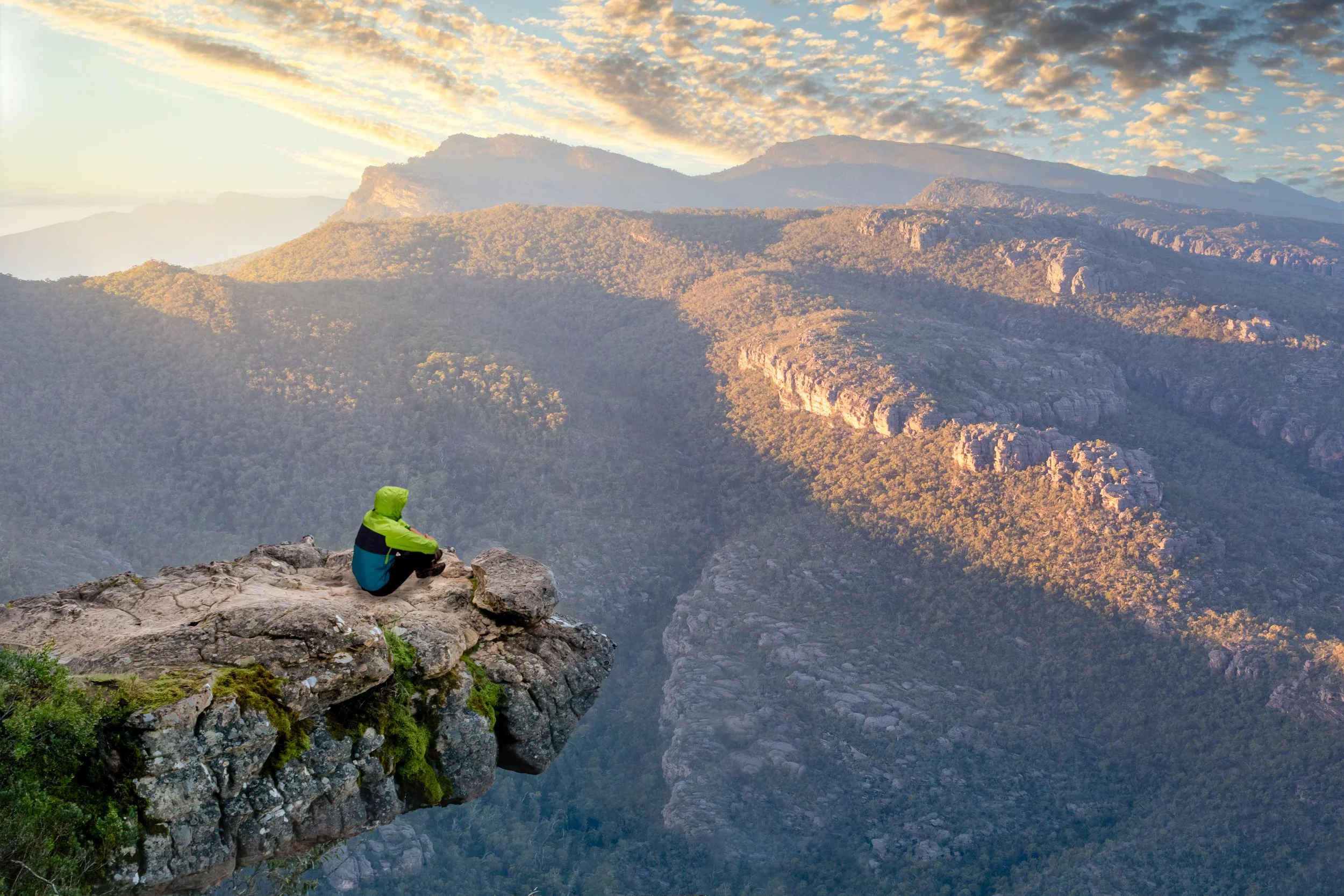
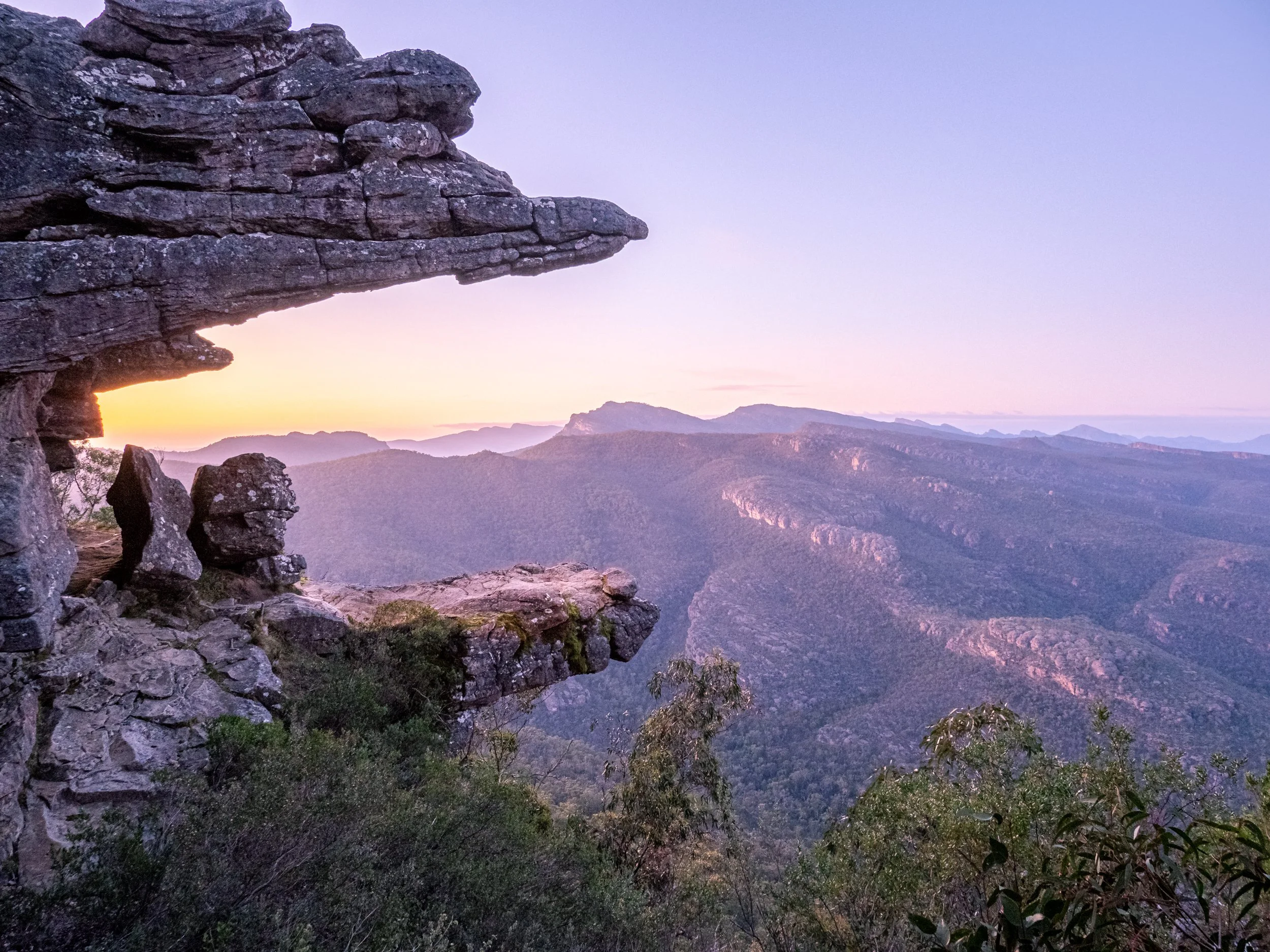
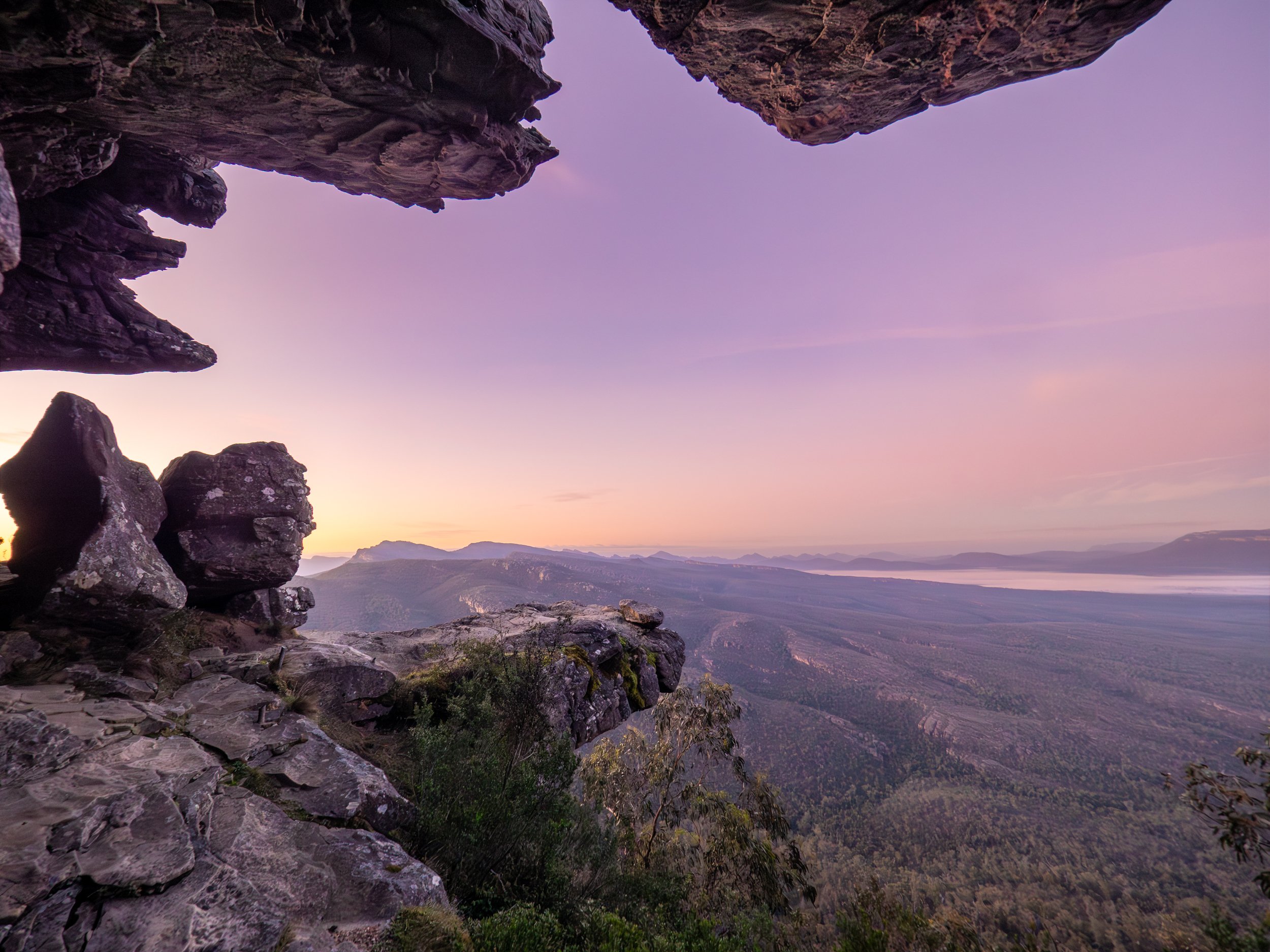
The Balconies is a super cool outcrop that depending on your point of view can look like it's namesake, or IMHO like a pair of prehistoric jaws. This spot has fenced off observation points, but you will quite often see tourists posing for photos directly on the rocks. The image on the left is taken just before sunrise. In the right conditions sunrise could be quite spectacular, but in this case, as the sun rises on the other side of the hill, you won't get any direct light on the rocks from this angle. You will get some great light spilling over the hills beyond as the sun breaches the ridge. You need to keep in mind the focus of your shot, if you want the rocks to be lit and not in silhouette sunset or before sunrise may be better. Of course, the conditions on the day may be perfect for you with a sea of fog below the rocks, or a sky on fire at sunrise.
Depending on the time of year, sunset may pose similar challenges, as the rocks may be in shadow from the Reed Lookout hill. I would check the sun position using an app or the sun position calculator at the bottom of the page to work out the ideal place to shoot depending on the time of year you'll be there.
The shot on the right was from the observation point at the Balconies, but looking back in the opposite direction, towards Reeds Lookout
(E) MacKenzie Falls
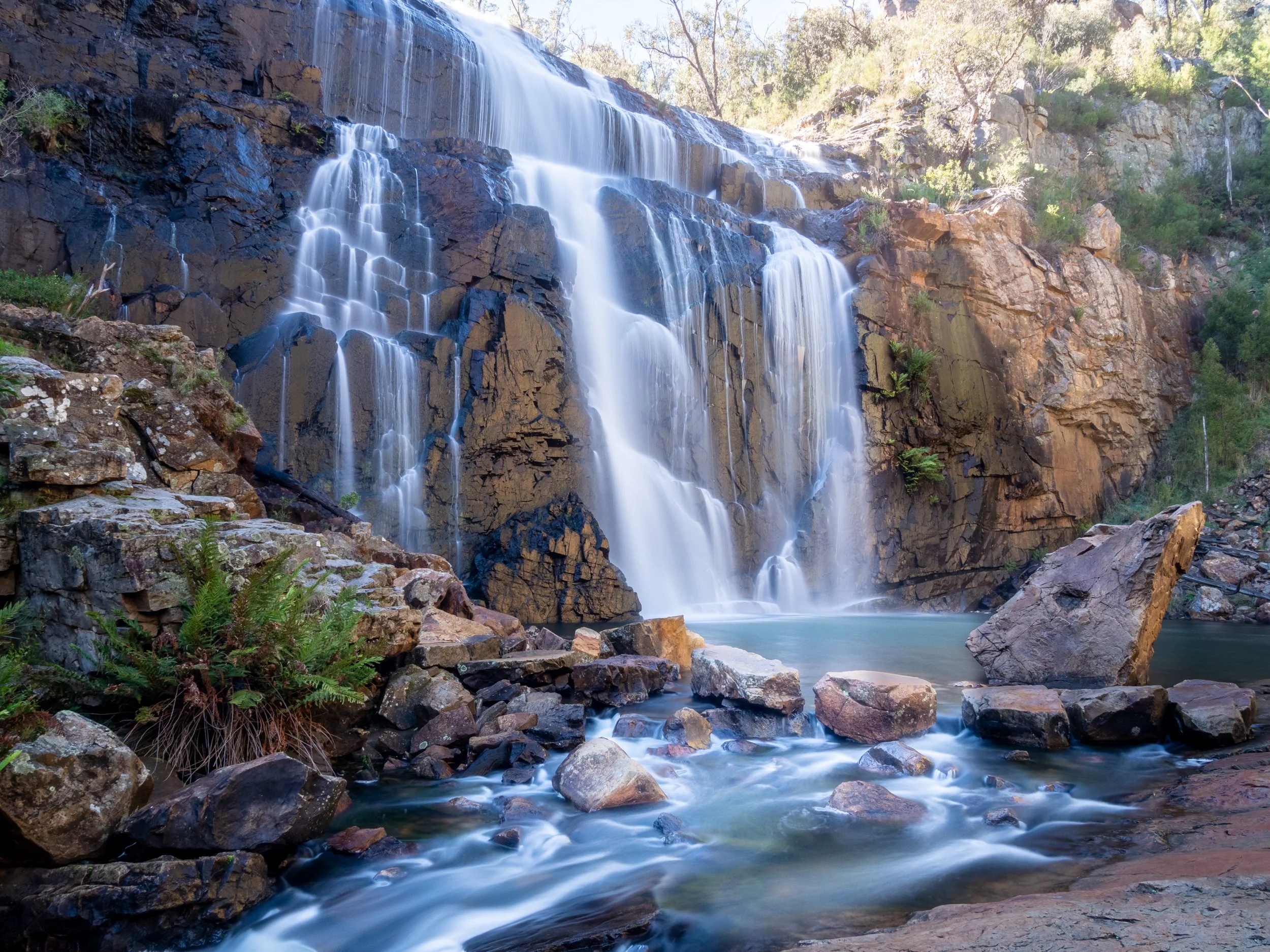
MacKenzie Falls is awesome! There is a large car park, so I assume this will get quite busy during the warmer months. The waterfall is only a 2 km return walk from the car park, but you have to go down a *lot* of steps, so it's a bit of a workout...Bring some water with you!
There is a really pretty upper level that you can shoot form the pathway, better for longer lenses and detail shots, and the lower level that you have free access to. Lots of great little compositions for you, I particularly love the rock at the bottom right of the image below. I've seen some great shots using this to frame the waterfall behind. You can leave this one a little later in the Morning as you are so far down you won't get too much direct sunlight until later in the day. This is really important for longer exposure shots as you don't want too much light and glare in these images. As always, ND & polarising filters are your friend here (and a cloth to keep wiping those filters and lenses!).
(F) Mount William
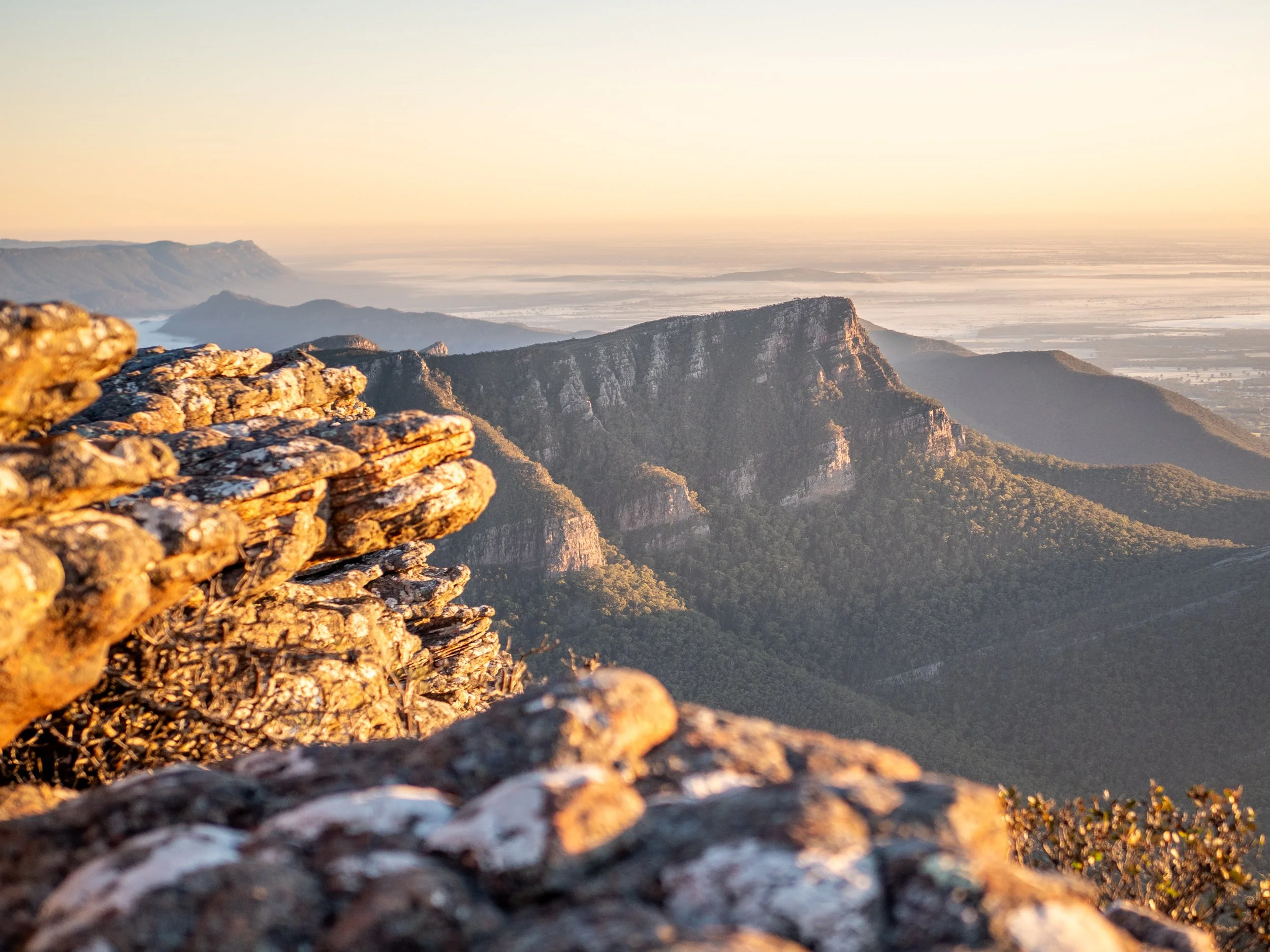
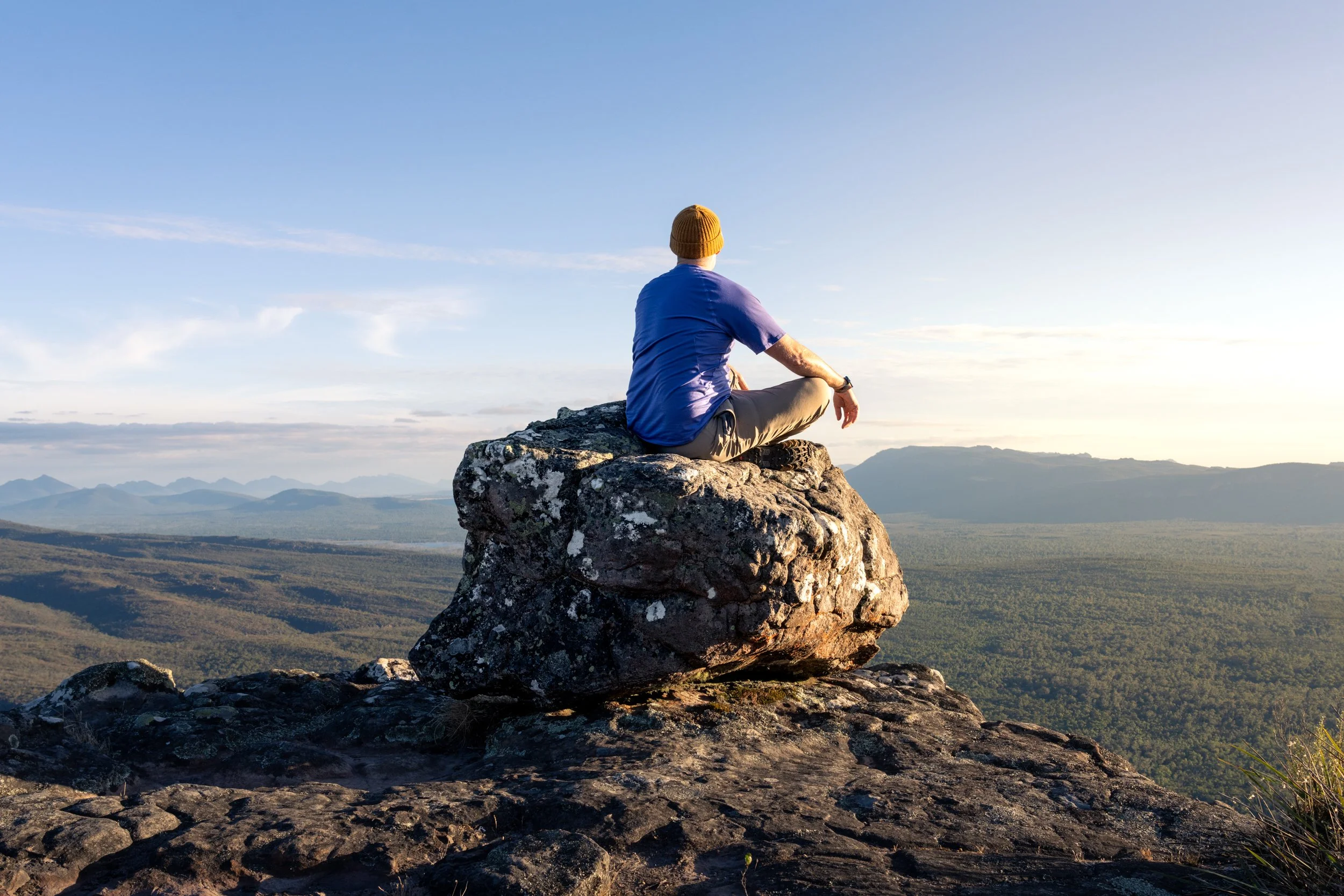
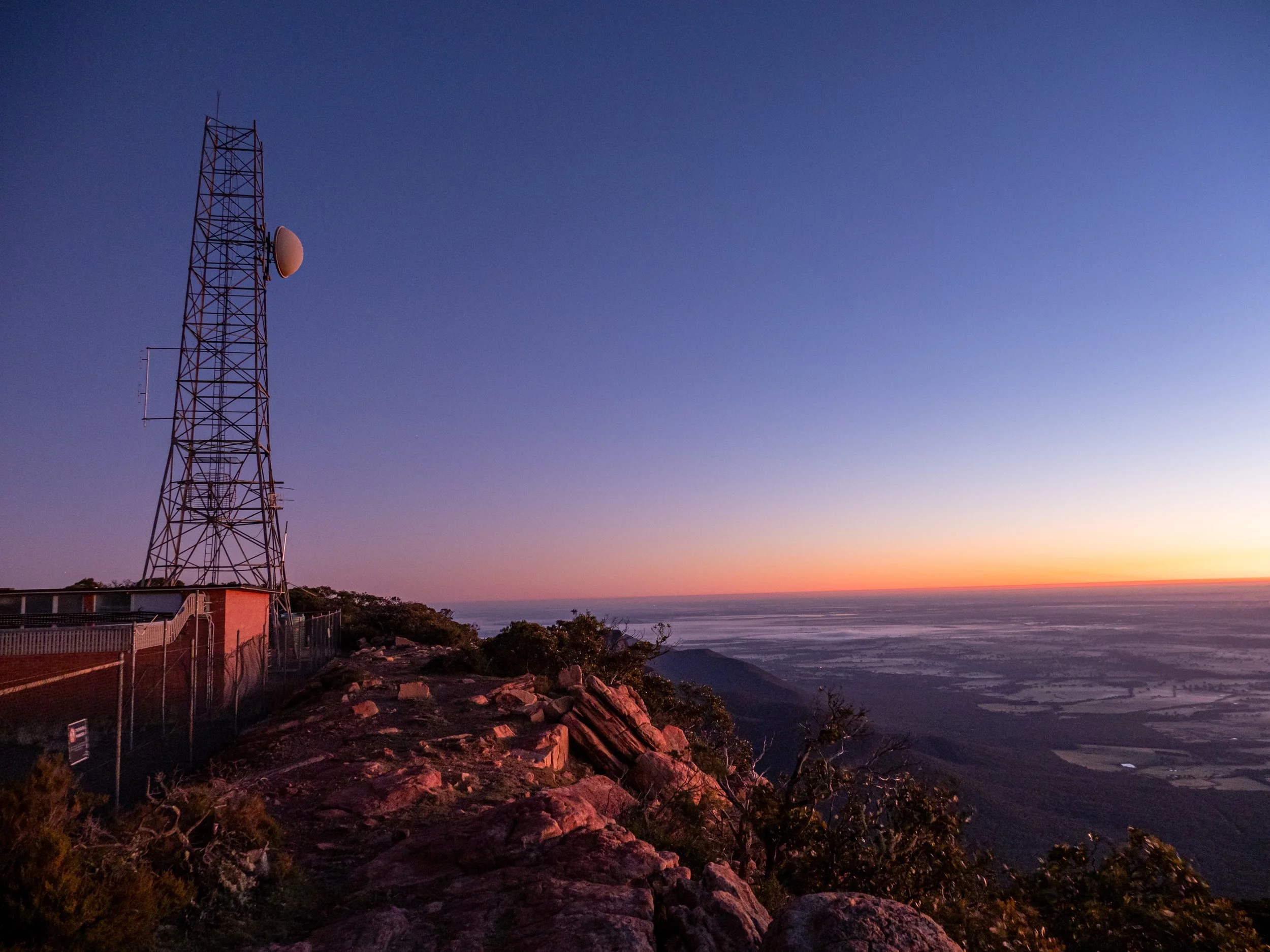
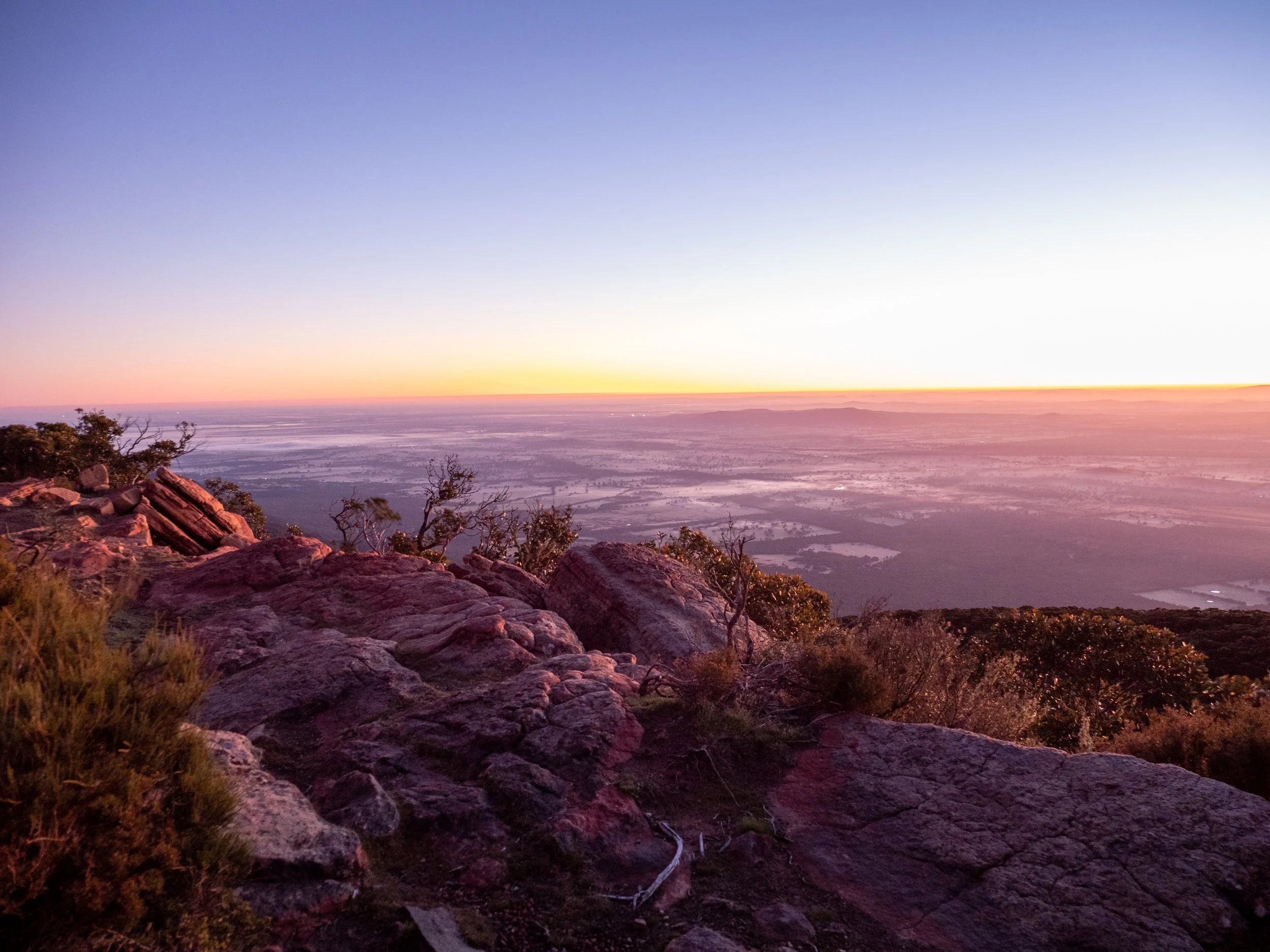
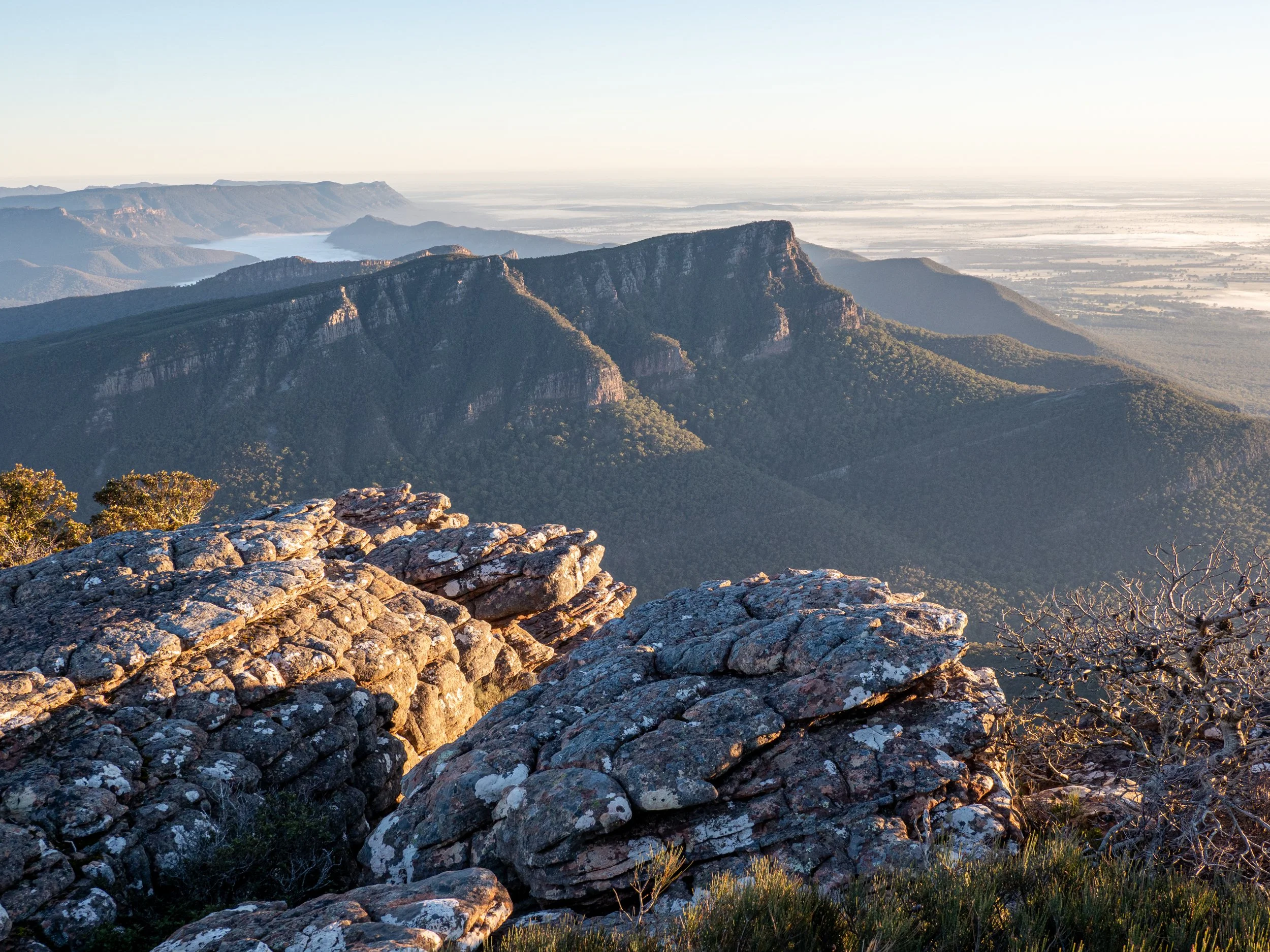
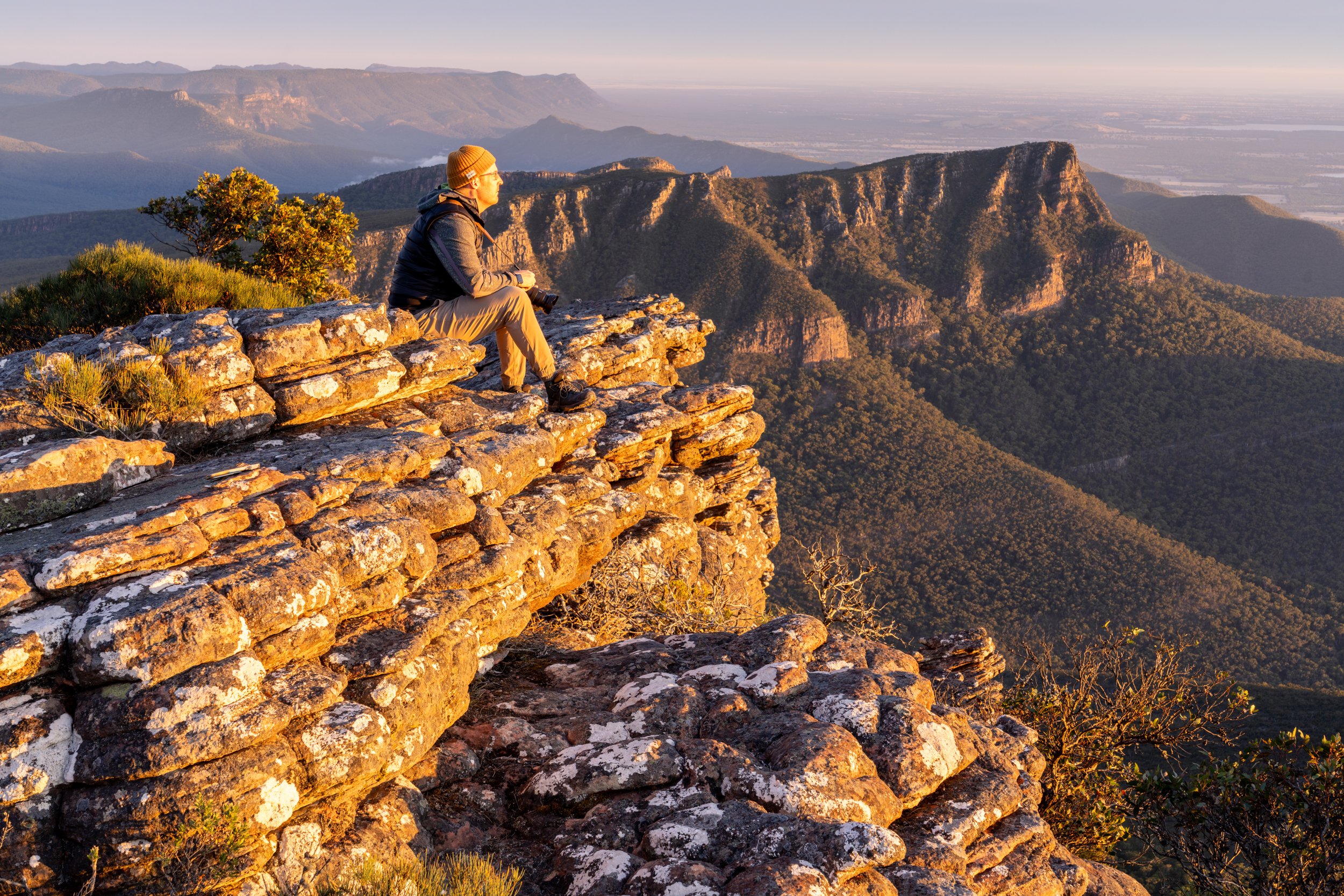
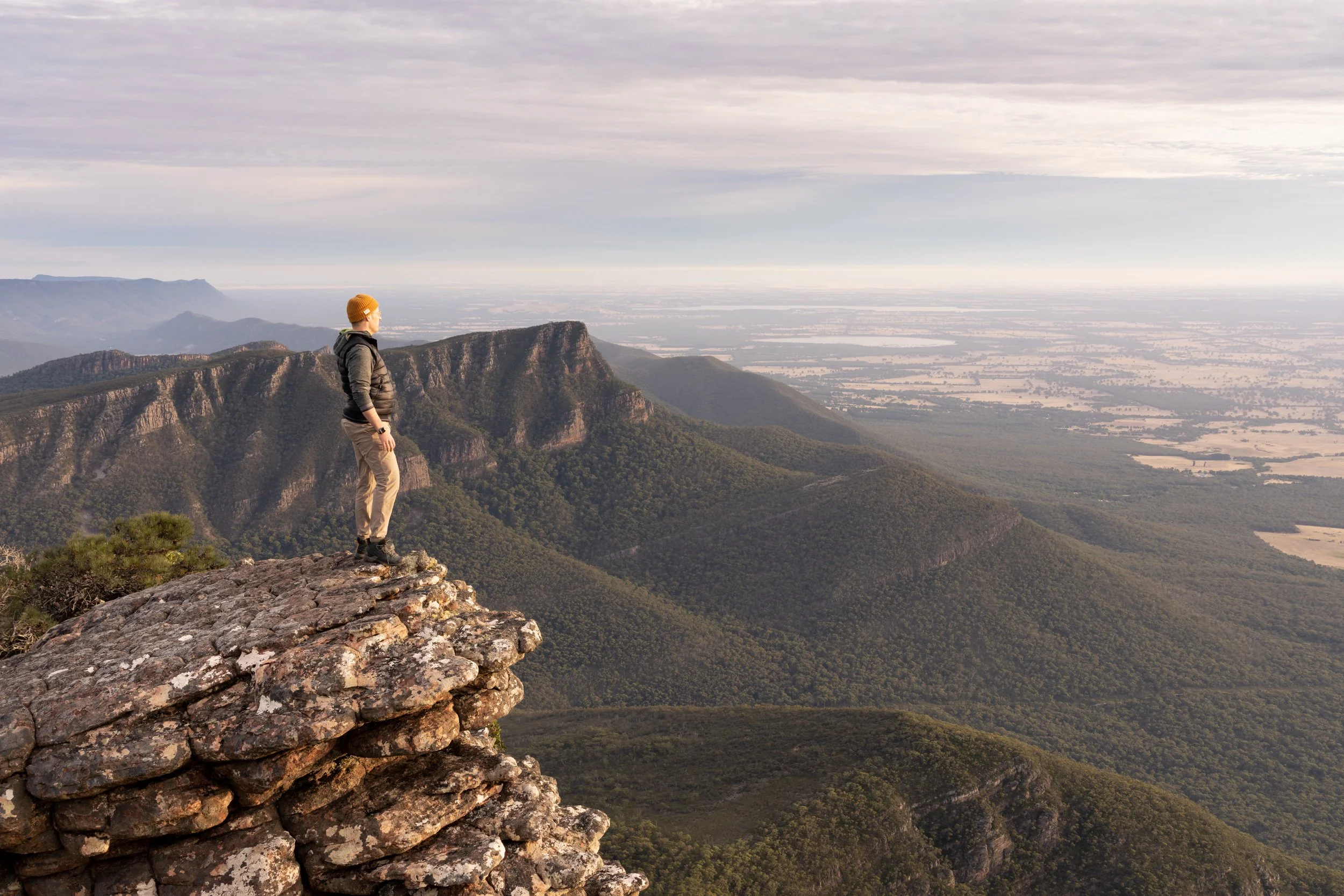
WOW — Mt William is an absolute standout. As the highest peak in the Grampians, it delivers incredible 360-degree views. From the car park it’s a 3.5 km return hike up a sealed road, taking about 45 minutes, and your legs will feel it the next day. The payoff at the top is huge.
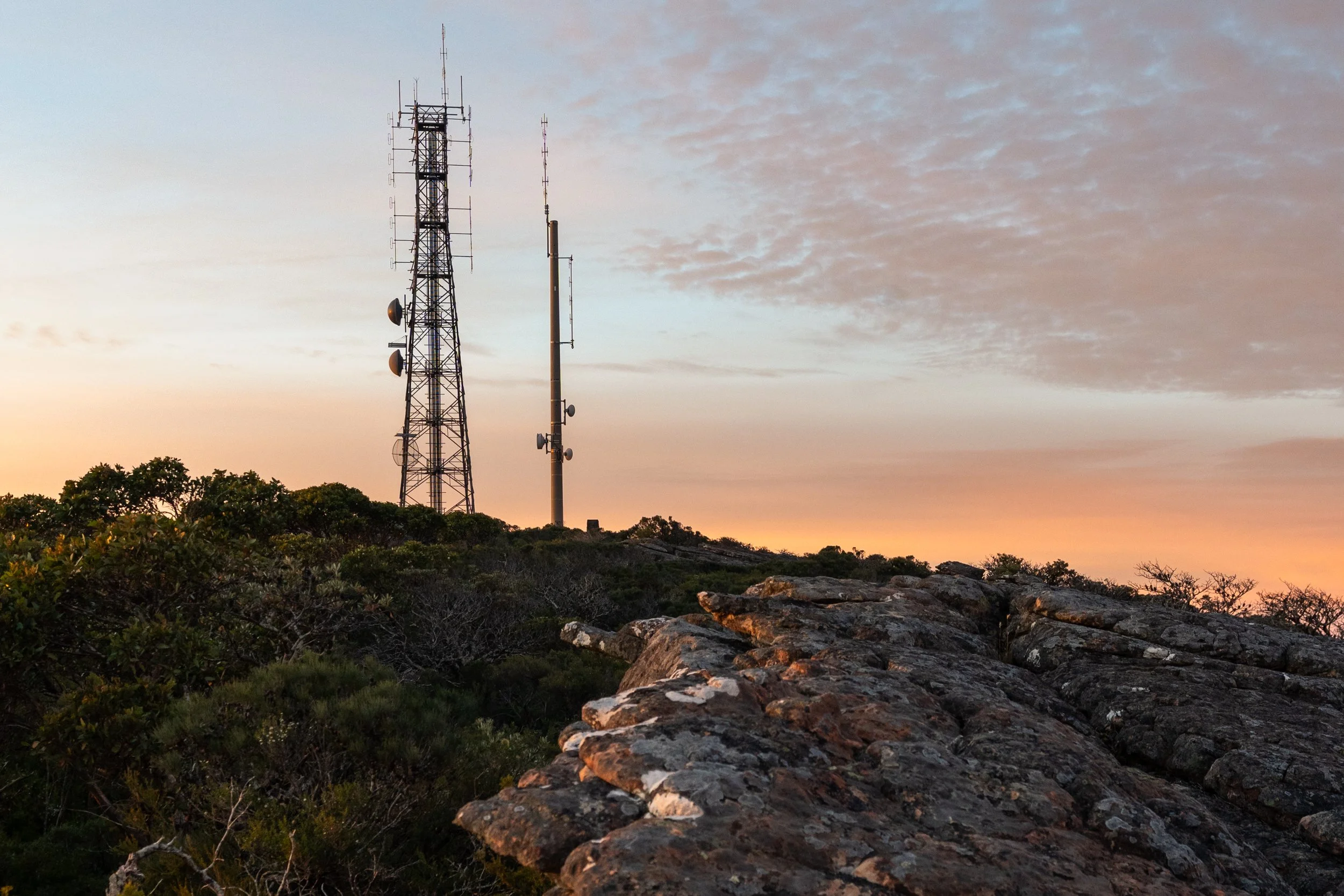
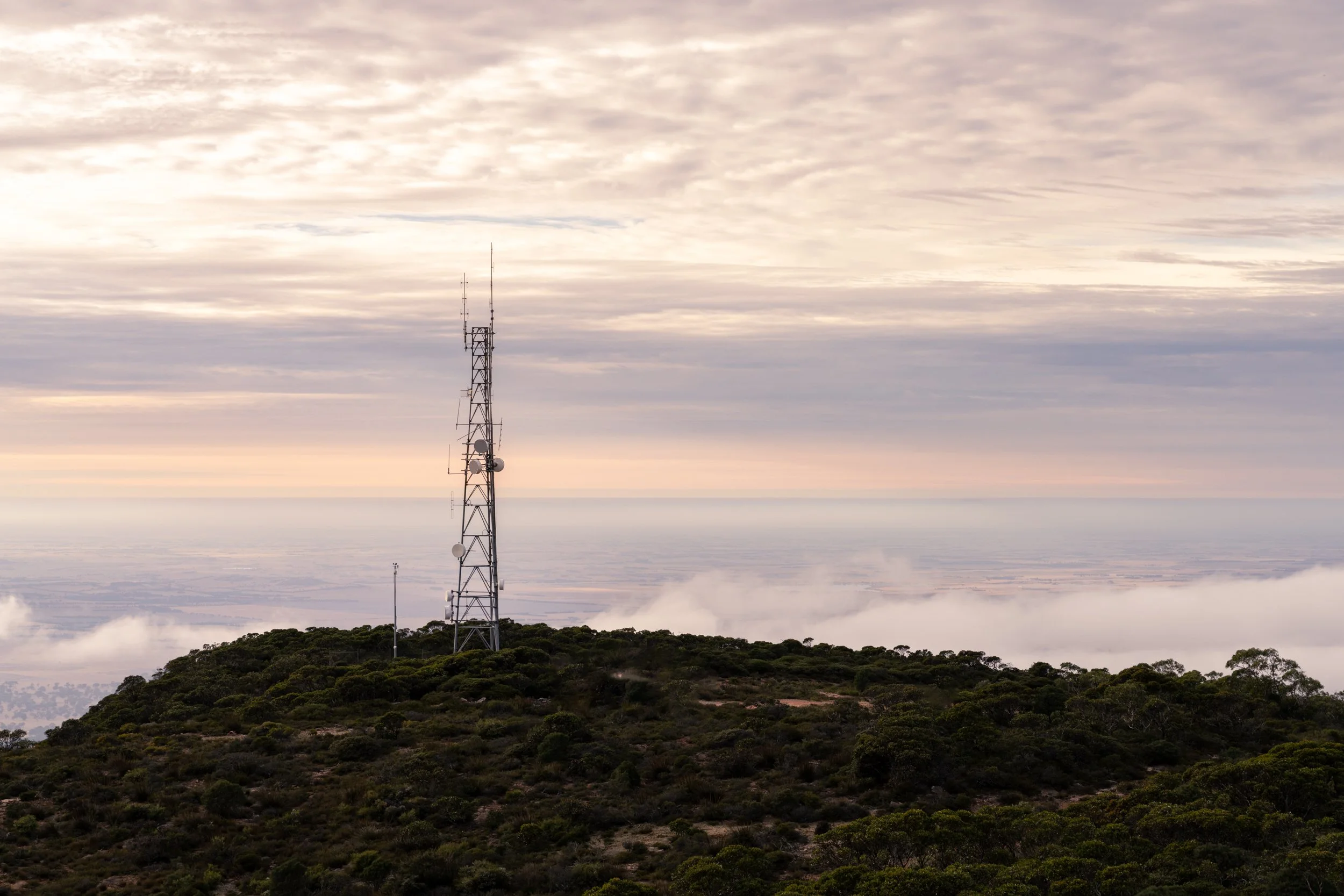
I hiked up before sunrise in winter, leaving around 5:45 am in near-freezing conditions. You’ll warm up on the climb but cool quickly at the summit, so layers, a beanie, gloves, and a head torch are essential. At the top, walk around the fenced communication towers to the eastern side near the historical marker — the views over farmland seem endless.
My favourite images came from pushing a little past the marker to find rocks in the foreground and waiting as the sun rose. The light transformed the rocks from dull grey to glowing orange, then soft peach and warm yellow as it hit the distant peaks. Mt William works for both sunrise and sunset, but for me, sunrise is hard to beat.

(G) Lake Bellfield
Lake Bellfield is visible from the Pinnacles, but from up high I find it a fairly ordinary scene — the dammed end looks obviously man-made and breaks the illusion a bit. That said, others have no doubt made it sing.
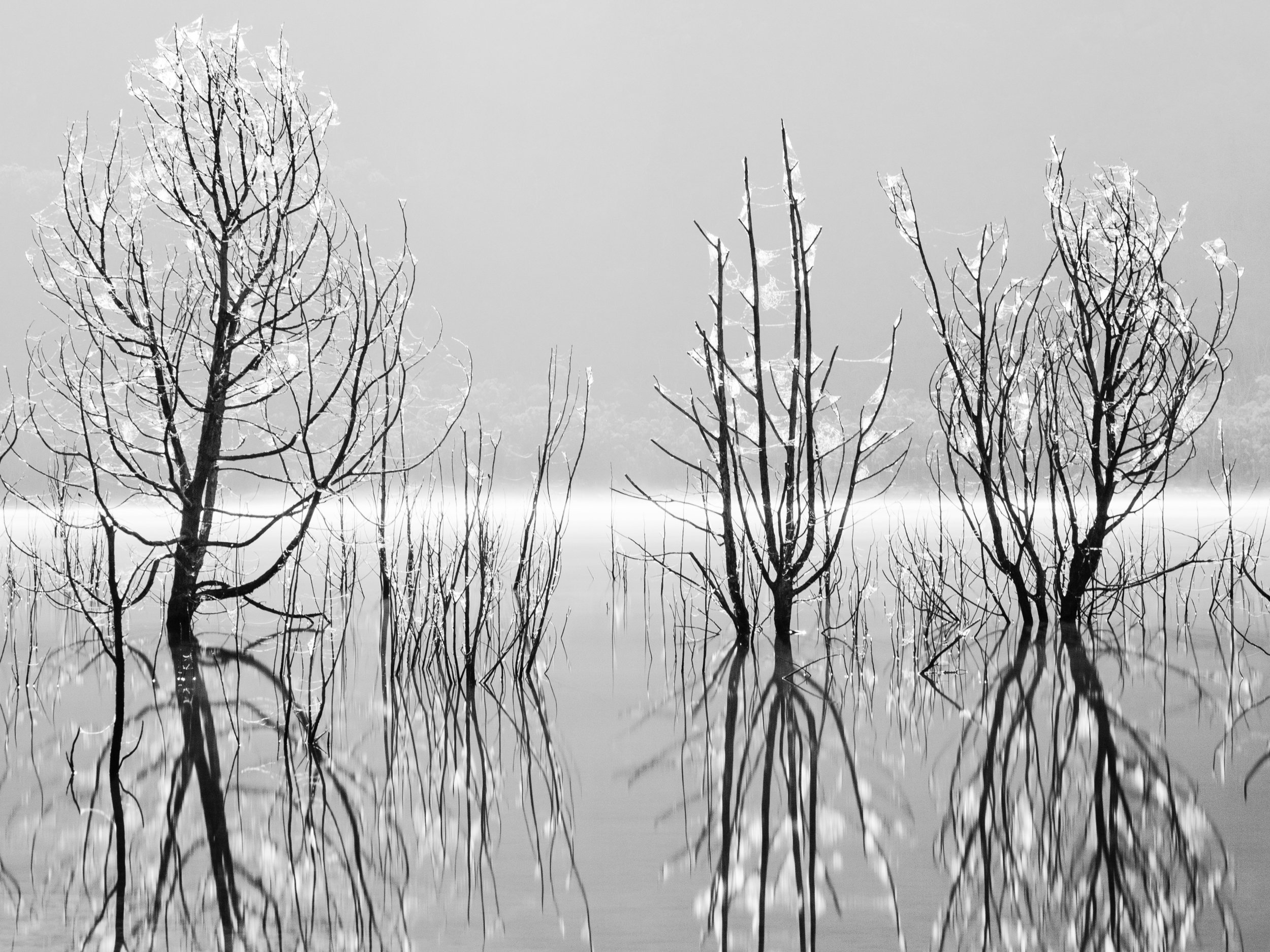
The lake really surprised me at ground level. Driving back from a freezing pre-dawn shoot on Mt William, I spotted thick fog rolling across the water just as the sun began to hit. I pulled over, grabbed my gear, and rushed to the shoreline. Dead trees sat in the water, and with the sun perfectly backlighting them, spider webs suddenly lit up like diamonds. I wasn’t quite fast enough before the fog burned off, but I still captured the shot below with mist lingering across the lake. A 10-stop ND and a 92-second exposure smoothed the water beautifully. From any other angle, the webs vanished and the scene fell flat — a good reminder to trust your instincts and act fast when the light lines up.
(H) Boroka Lookout
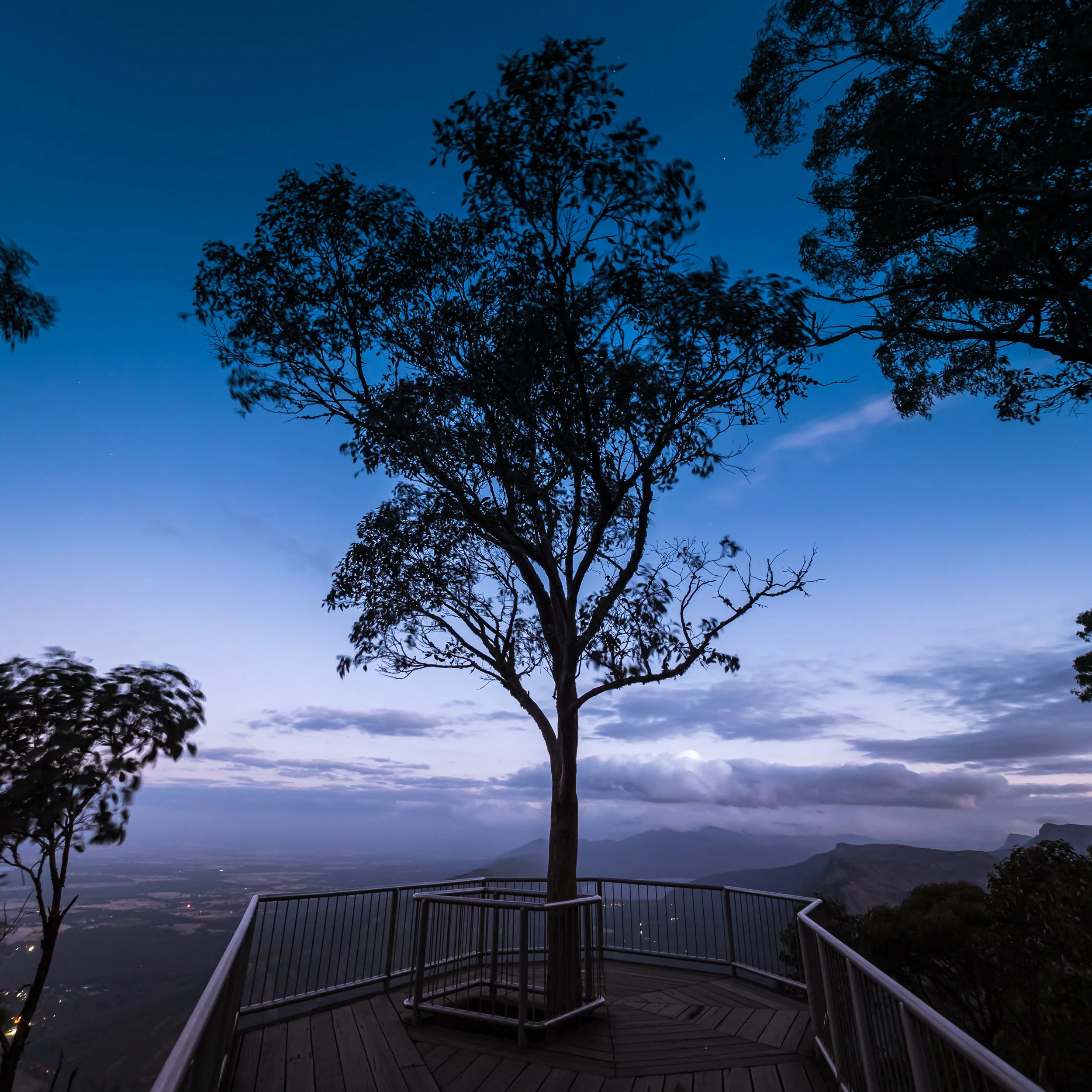
Boroka Lookout is one of the famous lookouts at the Grampians, however I've only been here once for 15 minutes, around half an hour after sunset. In my opinion it's not as spectacular as the lookouts above, and certainly not as spectacular as Mount William. It's only a few meters from the car park, and there is a raised observation platform. The pluses are you will get a fabulous vista where you can see for kilometres, and it is great to just be there and take it all in. There is a great little rocky outcrop to the right of the platform that I've seen used in some really nice shots, but in all my visits so far I've been far more attracted to the other spots above. I'll give this one a go for a sunrise shoot next time I'm in the area.